
SEO Specialist Jobs: Roles, Skills and How to Get Started
Search engine optimisation (SEO) specialists help businesses improve their visibility in organic search results. They research how people search, identify opportunities to attract relevant visitors and recommend changes to websites and content. As organisations increasingly rely on online discovery, SEO specialist jobs can be found across agencies, in-house marketing teams and freelance businesses.
What does an SEO specialist do?
The work combines research, analysis and communication. Day-to-day responsibilities vary by employer, but may include:
- Researching keywords and search intent to understand what audiences are looking for.
- Reviewing website content and recommending improvements to pages, headings, links and metadata.
- Carrying out technical SEO checks, such as identifying crawlability, indexing, site-speed or mobile usability issues.
- Planning content with writers, editors and marketing colleagues.
- Analysing organic traffic, rankings and conversions using analytics and search performance tools.
- Monitoring search engine updates and assessing how they may affect a website.
- Preparing reports and explaining recommendations to clients, managers or other teams.
SEO is a long-term activity rather than a quick fix. Specialists need to test ideas, monitor results and adapt their plans as websites, competitors and search behaviour change.
Common SEO job titles
Job titles differ between employers, and the same title can describe different levels of responsibility. Roles to look out for include:
- SEO Assistant or Junior SEO Executive: Supports research, reporting, content optimisation and routine site checks.
- SEO Executive or SEO Specialist: Manages a range of optimisation tasks and may take ownership of specific websites or projects.
- Technical SEO Specialist: Focuses on areas such as site architecture, crawling, indexing, structured data and performance.
- SEO Content Specialist: Works closely with content teams to plan and improve pages in line with audience needs and search intent.
- SEO Manager or Head of SEO: Sets strategy, oversees projects or teams, manages budgets and reports on performance.
Skills employers look for
Successful SEO professionals bring together practical and analytical skills. Employers may value:
- Analytical thinking: The ability to interpret data, spot patterns and turn findings into useful actions.
- Clear communication: SEO recommendations often involve people outside the SEO team, so explaining the reasoning matters.
- Writing and editing: A good understanding of useful, readable content helps specialists work effectively with writers and editors.
- Technical curiosity: Familiarity with how websites work is helpful, particularly for diagnosing technical issues.
- Organisation: SEO projects can involve many pages, stakeholders and competing priorities.
- Adaptability: Search engines and digital marketing practices change, so continued learning is part of the job.
Experience with tools for web analytics, search performance, keyword research and website crawling can be useful. However, employers usually want candidates who can explain what the data means, not simply list the tools they have used.
Qualifications and experience
There is no single route into SEO, and many vacancies do not require a specific degree. A background in marketing, communications, journalism, business or computing may be relevant, but practical skills and evidence of your work can be just as important.
People new to the field can build experience by learning the fundamentals, practising on a personal website or contributing to a small organisation’s website. A portfolio might include a content audit, keyword research, a technical review or a case study explaining a project and its results. Be clear about what you did and avoid presenting estimates as guaranteed outcomes.
Where to find SEO specialist jobs
SEO roles are advertised by digital marketing agencies, retailers, publishers, technology companies, charities and organisations in many other sectors. Some specialists work in-house for one organisation; others work at an agency supporting several clients. Freelance and contract opportunities are also available.
When reviewing a vacancy, look beyond the job title. Check which tasks take up most of the role, what level of experience is expected, which tools are used and how success will be assessed. It is also worth finding out how the SEO team works with development, content and wider marketing teams.
How to strengthen an application
- Tailor your CV to the role, highlighting relevant projects and skills rather than relying on a list of SEO terminology.
- Use examples to show how you identified an issue, what action you recommended and what happened next.
- Include a portfolio or case study where appropriate, while respecting client confidentiality.
- Prepare to discuss how you prioritise recommendations and measure progress.
- Show that you understand the difference between sustainable optimisation and tactics that attempt to manipulate search results.
Career progression in SEO
With experience, an SEO specialist may progress into senior or management roles, specialise in technical SEO or content strategy, or move into broader digital marketing positions. Some professionals choose consultancy or freelance work. Progression depends on the individual’s strengths, interests and the opportunities available within their organisation.
Is an SEO specialist career right for you?
SEO may suit people who enjoy solving problems, working with data and improving how information is presented online. The role can be rewarding, but results are not always immediate and search performance cannot be controlled entirely by one specialist. Curiosity, patience and the ability to make evidence-based recommendations are valuable qualities.
For anyone exploring SEO specialist jobs, a strong starting point is to learn the fundamentals, practise on real or sample projects and build a clear record of what those projects demonstrate. A thoughtful portfolio and a willingness to keep learning can help make an application stand out.
7 Essential Tips for Aspiring SEO Specialists: Building Skills and Advancing Your Career
- Build a strong grasp of technical SEO, content and link building.
- Practise with tools such as Google Search Console and Google Analytics.
- Create case studies that show measurable results.
- Keep up with search updates and industry trends.
- Tailor your CV to each SEO specialist vacancy.
- Highlight communication and analytical skills.
- Check salary, progression and hybrid-working options.
Build a strong grasp of technical SEO, content and link building.
A strong grasp of technical SEO, content and link building gives you a well-rounded foundation for SEO specialist jobs. Learn how search engines crawl and index websites, and how factors such as site structure and page speed can affect performance. Develop your ability to create and optimise useful content that matches what people are searching for, while understanding how reputable links can help build a site’s authority. Being able to explain how these areas work together—and support your recommendations with evidence—can make your skills more valuable to employers.
Practise with tools such as Google Search Console and Google Analytics.
Practise using tools such as Google Search Console and Google Analytics to build confidence in the practical side of SEO. Explore how Search Console reports on a website’s search queries, clicks, impressions and indexing, and use Analytics to understand how visitors arrive at and interact with a site. If you do not have access to a live website, look for training resources or practise with a site you own. Being able to explain what the data shows—and how you would use it to guide your recommendations—can strengthen your applications for SEO specialist jobs.
Create case studies that show measurable results.
Create case studies that show measurable results to help employers understand the impact of your SEO work. Explain the challenge, the actions you took and the outcome, using relevant figures such as growth in organic traffic, improved rankings or an increase in conversions. Include the timeframe and clarify your contribution, while keeping client information confidential. Clear, honest evidence of how you used data to guide decisions can make your application more credible and memorable.
Keep up with search updates and industry trends.
Keeping up with search updates and industry trends is an important part of working in SEO, as search engines regularly change how they crawl, rank and display content. Follow reliable industry publications and official search engine announcements, and take time to assess what each change could mean for your work. Rather than reacting to every rumour or trend, focus on evidence, test relevant ideas and update your recommendations when the data supports it.
Tailor your CV to each SEO specialist vacancy.
Tailor your CV to each SEO specialist vacancy by matching your skills and examples to the responsibilities in the job description. Highlight the most relevant experience first, whether that is technical SEO, keyword research, content optimisation or performance reporting, and describe the impact of your work wherever possible. This helps employers quickly see how your strengths fit their needs, rather than having to interpret a generic list of duties.
Highlight communication and analytical skills.
When applying for SEO specialist jobs, highlight both your communication and analytical skills. Employers value candidates who can interpret performance data, identify useful insights and turn them into practical recommendations. Show how you have explained those findings clearly to clients or colleagues, worked with content and development teams, or helped others understand the reasons behind an SEO change. Concrete examples make it easier for employers to see how you can connect data with effective action.
Check salary, progression and hybrid-working options.
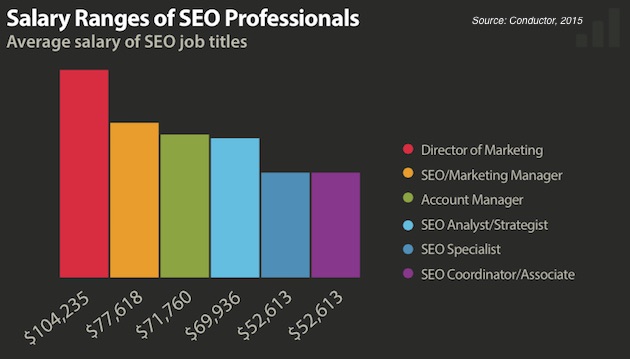
When comparing SEO specialist jobs, look beyond the job title and check the salary, opportunities for progression and hybrid-working arrangements. Compare pay with the role’s responsibilities and experience requirements, and ask how performance reviews, training and promotion are handled. Hybrid policies can vary, so clarify how often you’ll be expected to work in the office and whether that arrangement is flexible. These details can help you find a role that suits both your career goals and working preferences.