
SEO and Search Engine Marketing: How to Reach More Customers Online
When people need a product, service or answer, they often begin with a search engine. Search engine optimisation (SEO) and search engine marketing (SEM) help businesses appear in those search results and connect with people looking for what they offer.
The terms are sometimes used differently. SEM can describe all marketing activity that improves visibility in search engines, including SEO and paid advertising. In everyday business use, however, SEM often refers specifically to paid search campaigns, while SEO means earning visibility through unpaid results. Understanding how the two approaches work can help you choose the right mix for your goals.
What is SEO?
SEO is the practice of improving a website so that it is more likely to appear in relevant, unpaid search results. It involves helping search engines understand a site and making its pages useful to the people who visit them.
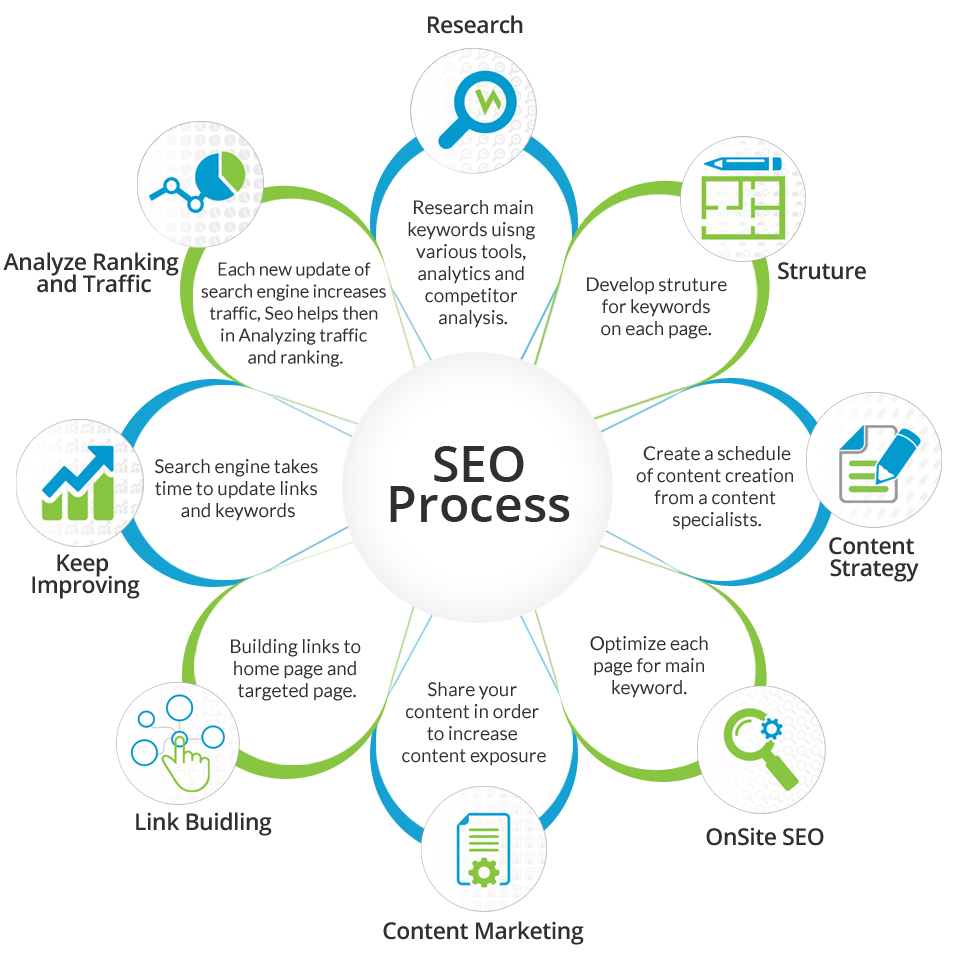
SEO commonly includes three areas:
- Technical SEO: improving aspects such as site speed, mobile usability, secure browsing, clear navigation and the way search engines crawl and index pages.
- On-page SEO: creating helpful page content and using clear titles, headings, descriptive links and relevant search terms naturally.
- Off-page SEO: building a website’s reputation through genuine references, mentions and links from relevant, trustworthy sources.
Good SEO is not simply a matter of repeating keywords. Search engines aim to present useful results, so pages should answer visitors’ questions clearly, accurately and in sufficient detail.
What is search engine marketing?
Search engine marketing is a way to promote a business through search results. In the narrower, commonly used sense, it means paid search advertising: a business creates adverts that may appear when people search for selected terms.
Paid search campaigns can be targeted by factors such as the search phrase, location, device and audience. Depending on the platform and campaign, advertisers may pay when someone clicks an advert or when another specified action takes place. The advert’s position and cost can depend on competition, relevance, bid settings and other factors.
Paid campaigns can bring visibility quickly, but they require ongoing budget and management. When the advertising stops, the traffic generated by those adverts will usually stop too.
SEO and paid search: the key differences
- How visibility is earned: SEO focuses on unpaid search results; paid search uses advertising placements.
- Timing: Paid adverts can begin appearing once a campaign is approved and running. SEO usually takes longer to build and results are not guaranteed.
- Costs: Paid search involves an advertising budget, often alongside management costs. SEO does not require payment for each organic click, but it takes time, expertise and resources.
- Longevity: Well-maintained SEO can continue to attract visitors over time, although rankings can change. Paid visibility generally depends on an active campaign.
- Control: Advertisers can adjust budgets, targeting and copy in paid campaigns. Organic rankings are influenced by search engines and cannot be bought directly.
Why use both?
SEO and paid search can support one another. Paid campaigns may help a business reach people while its organic presence is developing. They can also provide insight into which search terms and messages attract interest. That information may help guide future content, although paid results do not directly guarantee higher organic rankings.
SEO, meanwhile, can build a useful library of pages that attracts visitors without paying for every click. It can support customers at different stages, from learning about a topic to comparing options and choosing a provider.
A balanced search strategy might use paid adverts for time-sensitive offers or highly competitive terms, while investing in SEO for valuable topics that can bring relevant visitors over the longer term.
How to build an effective search strategy
- Set clear objectives. Decide whether the priority is increasing enquiries, online sales, visits to a local shop or awareness of a service.
- Understand your audience. Consider what potential customers need to know and the language they use when searching.
- Research search terms. Look for relevant queries, but focus on the needs behind them rather than chasing search volume alone.
- Create helpful landing pages. Make sure each page has a clear purpose, answers the visitor’s question and explains the next step.
- Make the site easy to use. Check that pages work well on mobile devices, load reliably and have straightforward navigation.
- Manage paid campaigns carefully. Set realistic budgets, use relevant targeting and review search terms to reduce spend on unsuitable clicks.
- Measure meaningful results. Track outcomes such as qualified enquiries, sales and useful engagement, not just rankings or clicks.
Common mistakes to avoid
Search marketing can waste time and money if it is treated as a quick fix. Common pitfalls include choosing keywords without understanding the audience, sending adverts to irrelevant pages, relying on thin or repetitive content and judging success by traffic alone.
It is also important to avoid promises of guaranteed rankings. Search results change, competitors adapt and no legitimate provider can guarantee a particular organic position. A reliable approach is based on sound website practices, useful content, clear measurement and regular improvement.
Making search work for your business
SEO and paid search offer different ways to reach people through search engines. SEO can help build lasting organic visibility, while paid campaigns provide a way to promote specific pages and offers with more immediate control over targeting and spend.
The right approach depends on your objectives, audience, budget and timescale. By combining helpful website content with carefully managed advertising where appropriate, businesses can create a more effective search presence and make it easier for potential customers to find them.
SEO and Search Engine Marketing: Five Frequently Asked Questions
- What is the difference between SEO and search engine marketing?
- How long does SEO take to show results?
- How much does search engine marketing cost?
- Can SEO and paid search advertising be used together?
- How can I measure the success of an SEO or search marketing campaign?
What is the difference between SEO and search engine marketing?
SEO (search engine optimisation) focuses on improving a website’s visibility in unpaid search results through helpful content, technical improvements and a good user experience. Search engine marketing (SEM) is often used to mean paid search advertising, where businesses pay to display adverts for selected searches. SEO can build organic visibility over time, while paid search can deliver exposure more quickly for as long as a campaign is running. Together, they can form part of a broader search strategy.
How long does SEO take to show results?
SEO usually takes several months to show meaningful results, although the timeframe varies depending on your website’s starting point, competition, industry and the work involved. Technical improvements may have an impact sooner, while building authority and earning stronger organic rankings often takes longer. SEO is an ongoing process rather than a quick fix, so track relevant measures such as qualified visits, enquiries and sales over time—not rankings alone.
How much does search engine marketing cost?
The cost of search engine marketing varies depending on your goals, industry, competition and campaign setup. With paid search, you choose an advertising budget and may pay each time someone clicks an advert; highly competitive search terms can cost more than less competitive ones. You may also need to allow for campaign management, copywriting and landing-page improvements. Start with a budget you can sustain, track enquiries or sales rather than clicks alone, and adjust your spending based on results.
Can SEO and paid search advertising be used together?
Yes, SEO and paid search advertising can work well together. Paid adverts can provide immediate visibility while SEO builds organic traffic over time, and campaign data can reveal which search terms and messages attract potential customers. Using both approaches can help your business appear in more places in search results, provided each is targeted carefully and measured against clear goals.
How can I measure the success of an SEO or search marketing campaign?
Measure success against clear objectives, such as increasing qualified leads, sales or relevant website visits, rather than relying on rankings alone. Use tools such as Google Analytics and Google Search Console to track organic traffic, search impressions, click-through rates, keyword visibility and conversions. For paid search, review clicks, cost per click, conversion rate and return on advertising spend. Compare results with a baseline over time, taking account of seasonal changes, and check that the traffic is reaching the right audience and contributing to your business goals.