
SEO Page Ranking: How to Improve Your Position in Search Results
SEO page ranking is the position a web page appears in when someone searches for a relevant phrase. A higher position can help more people discover your website, but rankings are not fixed: they can change as search engines update their systems, competitors improve their pages and searchers’ needs evolve.
There is no single trick that guarantees a top position. Sustainable search engine optimisation (SEO) involves making useful, reliable pages that are easy for both people and search engines to understand.
What affects a page’s ranking?
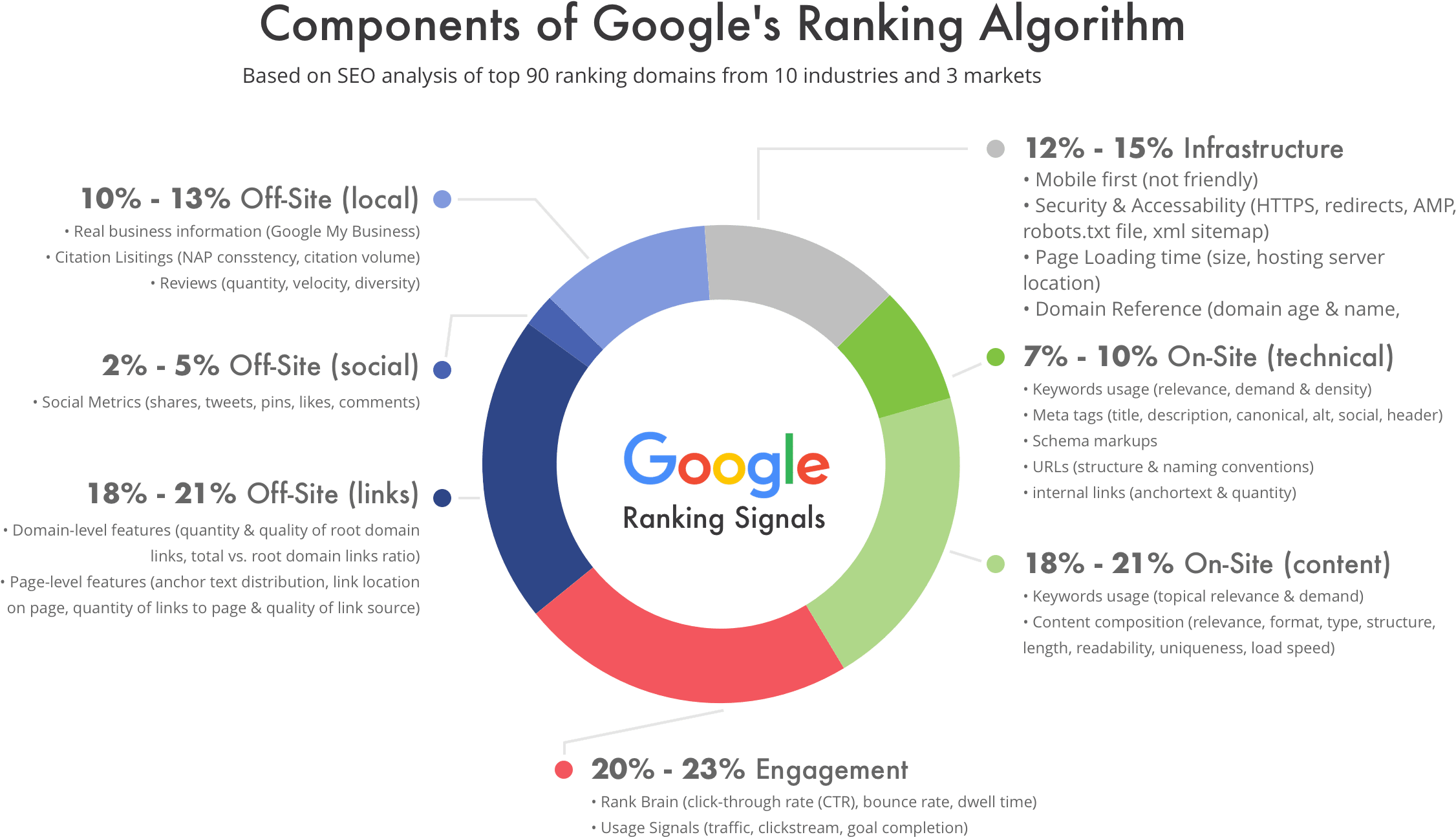
Search engines use many signals to decide which pages are likely to answer a search. The precise systems are complex and change over time, but several areas are worth focusing on:
- Relevance: The page should address the subject and intent behind the search, rather than simply repeat a keyword.
- Helpful content: Clear, accurate and sufficiently detailed information can give readers a useful answer.
- Page experience: Pages should load reliably, work well on mobile devices and be straightforward to use.
- Site structure: Logical navigation and relevant internal links help visitors and search engines find related content.
- Reputation and links: Links from reputable, relevant websites may help search engines understand a page’s standing, although links should be earned naturally.
- Technical accessibility: Search engines need to be able to crawl and index a page before it can appear in search results.
Start with search intent
Before writing or updating a page, consider what a person expects to find when they enter a particular search. Are they looking for an explanation, a comparison, a product or a service nearby? The page should meet that need directly.
Search results can offer clues. Look at the kinds of pages that appear for the topic and consider what questions they answer. Use this research to identify useful information your page should include, not to copy another website’s wording or structure.
Create useful, focused content
Choose one clear purpose for each page. Explain the subject in plain language, organise information with descriptive headings and include practical details that help readers take their next step. Avoid adding length for its own sake: a concise page can be more useful than a long one if it answers the question well.
Use relevant search terms naturally in the title, main heading and body text where they make sense. Repeating the same phrase excessively can make a page awkward to read and does not guarantee better rankings. Related terms and common questions can help make the topic clear, provided they fit the content.
Improve titles and descriptions
A page title should describe the page accurately and make its subject clear. Keep it distinctive across the site, and place the most important information near the beginning when practical.
A meta description is a short summary that may be used in search results. It does not guarantee a ranking improvement, but a clear and relevant description can help people decide whether to visit the page. Make sure it reflects what visitors will actually find.
Make the page easy to use
Good page experience benefits readers and supports a strong website overall. Check that the page:
- works well on phones, tablets and desktop screens;
- loads promptly and does not shift around unexpectedly;
- uses readable text, clear links and accessible colour contrast;
- has a simple layout that makes the main information easy to find; and
- avoids intrusive pop-ups that interrupt the visit.
Check technical SEO basics
Even good content may struggle to appear in search if technical issues prevent it from being discovered or indexed. Check that important pages are not accidentally blocked, use a sensible URL, return the correct status code and are linked from other relevant pages on the site.
For larger websites, an XML sitemap can help search engines discover URLs. Canonical tags can also indicate which version of similar or duplicated pages should be treated as the preferred one. These tools should be configured carefully; they are not substitutes for a well-organised site.
Build relevant internal and external links
Internal links connect related pages on your website. Use descriptive link text so readers know what they will find, and link where it genuinely helps them explore a topic. This can also help search engines understand how the pages relate to one another.
External links are most valuable when they are earned because another site finds your content useful. Publish original research, practical resources or expert information that people have a reason to reference. Avoid buying links or taking part in schemes designed to manipulate rankings, as these tactics can put a site at risk.
Measure progress and keep improving
SEO takes time, and rankings can vary. Use search performance tools to monitor impressions, clicks, queries and the pages bringing visitors to your site. Look for patterns rather than reacting to every short-term movement. If a page receives impressions but few clicks, its title or search-result description may need reviewing. If visitors arrive but do not find what they need, improve the page’s usefulness and clarity.
Review important content regularly. Update outdated facts, repair broken links and make sure the page still meets the needs of its audience. Changes should improve the experience for readers, not be made simply to chase a particular ranking.
A steady approach to better rankings
Improving SEO page ranking is an ongoing process, not a one-off task. Focus on understanding search intent, producing genuinely helpful content, maintaining a technically accessible website and measuring results over time. These fundamentals can make your pages more useful to visitors and give them a stronger chance of earning visibility in search results.
Top 5 SEO Tips for Boosting Your Page Ranking
- Use clear, descriptive page titles.
- Create helpful, original content.
- Use relevant keywords naturally.
- Make pages fast and mobile-friendly.
- Earn links from reputable websites.
Use clear, descriptive page titles.
Use clear, descriptive page titles to help both people and search engines understand what each page is about. Aim for a concise, accurate title that reflects the page’s main topic and includes relevant search terms naturally. Make titles distinctive across your website, and avoid vague wording or excessive keyword repetition. A useful title can make your page easier to identify in search results and encourage the right visitors to click.
Create helpful, original content.
Create helpful, original content that answers your audience’s questions clearly and offers something genuinely useful. Focus each page on a specific topic, explain it in your own words and include accurate, relevant details rather than repeating keywords or reworking other websites’ content. When a page meets readers’ needs and gives them a reason to trust and engage with your site, it is more likely to earn lasting visibility in search results.
Use relevant keywords naturally.
Use relevant keywords naturally by including the words and phrases your audience is likely to search for where they genuinely fit the page. Add them to useful places, such as the title, headings and body text, but keep the writing clear and natural. Avoid repeating keywords unnecessarily: keyword stuffing can make content harder to read and does not guarantee better rankings.
Make pages fast and mobile-friendly.
Make your pages fast and mobile-friendly to give visitors a smoother experience and make important information easy to access on any device. Compress large images, reduce unnecessary scripts and check that pages load promptly, especially on mobile connections. Use responsive layouts, readable text and buttons that are easy to tap on a small screen. A well-performing page can help keep visitors engaged and supports a stronger overall SEO strategy, although it cannot guarantee a higher ranking on its own.
Earn links from reputable websites.
Earn links from reputable websites by creating useful, trustworthy content that others genuinely want to reference, such as original research, expert guidance or practical resources. Relevant links can help search engines understand your page’s credibility and make it easier for new readers to discover. Focus on building relationships and earning mentions naturally rather than buying links or joining schemes designed to manipulate rankings, which can damage your site’s standing.