
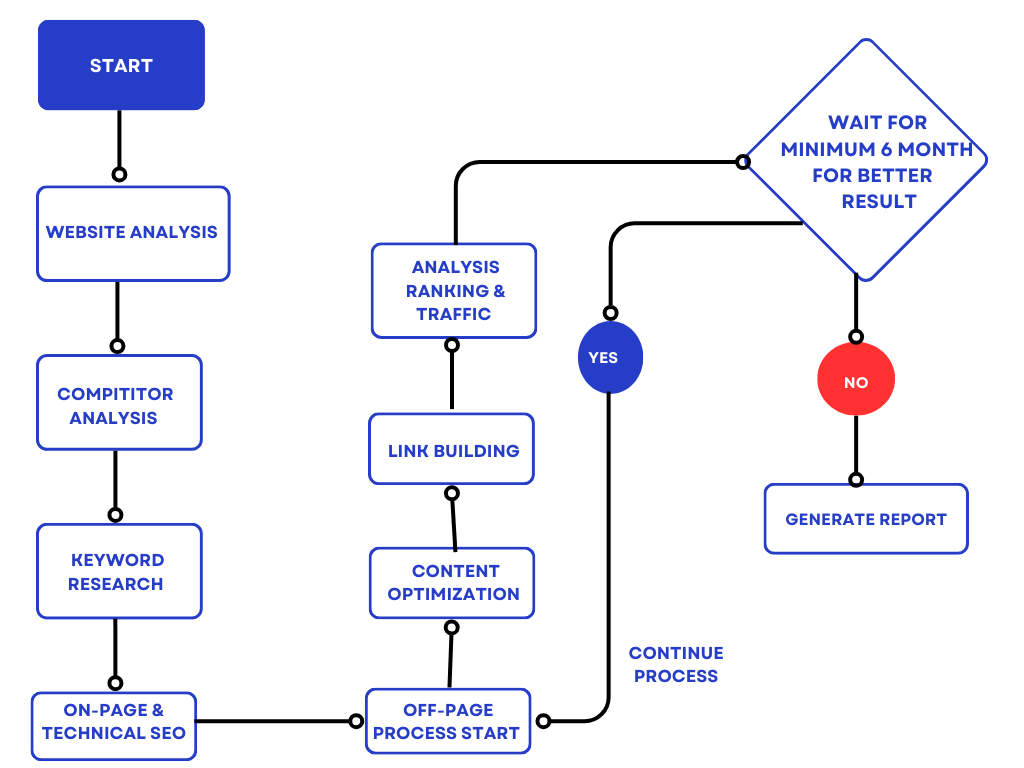
Search Engine Optimisation Analysis: A Practical Guide
Search engine optimisation (SEO) analysis is the process of assessing how well a website performs in organic search and identifying ways to improve its visibility. It looks at factors such as technical health, content quality, keyword relevance, user experience and links from other websites.
A useful analysis goes beyond checking rankings. It helps explain what is working, where visitors may be getting stuck and which improvements are most likely to support your business goals.
Why SEO analysis matters
Search engines regularly update how they discover, understand and rank pages. At the same time, competitors publish new content and people’s search habits change. Regular analysis helps you respond to these changes rather than relying on guesswork.
It can help you to:
- Find technical problems that prevent pages from being crawled or indexed.
- Understand which searches bring people to your website.
- Identify pages that could be more useful or relevant.
- Spot opportunities to improve organic traffic and conversions.
- Measure the results of changes over time.
Key areas to examine
Organic search performance
Start by reviewing how your website performs in search results. Look at impressions, clicks, click-through rate and average position. These figures can show whether your pages are appearing for relevant searches and whether people are choosing to visit them.
Consider the figures alongside business outcomes. A rise in traffic is not necessarily valuable if visitors are not finding what they need or taking meaningful actions.
Keyword and search intent
Review the queries that lead people to your pages, as well as the searches you would like to appear for. Consider the intent behind each search. Someone looking for a definition may need an explanatory guide, while someone comparing products may expect detailed options, prices or reviews.
Match each important search topic to a page that satisfies the likely need. Avoid forcing a keyword into a page where it does not belong; clear, helpful content is more valuable than awkward repetition.
Content quality and coverage
Assess whether each page is accurate, useful, easy to understand and up to date. Check that it answers the reader’s likely questions and offers information that is relevant to the page’s purpose.
Look for pages that overlap heavily, contain outdated details or attract little relevant traffic. These may benefit from updating, combining with another page, improving their structure or being removed. Make changes carefully, particularly when a page already has useful links or search visibility.
Technical SEO
Technical analysis checks whether search engines can access and interpret your website. Important areas include:
- Indexing: whether important pages can appear in search results.
- Crawlability: whether search engine crawlers can reach those pages.
- Site structure: whether pages are organised logically and linked clearly.
- Mobile usability: whether the site works well on phones and tablets.
- Page speed: whether pages load promptly and respond smoothly.
- Security: whether the website uses HTTPS.
- Canonical tags and redirects: whether duplicate or relocated pages are handled appropriately.
Technical issues vary in severity. A blocked or incorrectly removed page may need urgent attention, while a minor improvement to page speed may be less pressing. Prioritise problems by their likely impact and the effort required to fix them.
On-page optimisation
Check that page titles, headings, URLs and meta descriptions accurately reflect each page’s content. These elements should be clear and useful to people, not simply packed with keywords.
Internal links also matter. They help visitors move between related pages and help search engines understand how your content is connected. Use descriptive link text and make sure important pages are not difficult to reach.
Links from other websites
Links from reputable, relevant websites can help people discover your content and may contribute to search visibility. Analyse your site’s external links for their relevance, quality and patterns. A large number of links is not automatically a sign of strength, and buying or manipulating links can put a website at risk.
User experience and conversions
SEO analysis should consider what happens after someone arrives. Is the page easy to navigate? Does it answer the visitor’s question? Can they complete the next step, such as making an enquiry or purchasing a product?
Use analytics data alongside feedback and usability testing where possible. Search traffic is only one part of a successful website; visitors need a clear and useful experience once they arrive.
A straightforward SEO analysis process
- Set a goal. Decide what you want to improve, such as qualified organic visits, enquiries or visibility for a particular topic.
- Gather baseline data. Record current performance so you can compare results later.
- Review the website. Check technical health, content, search queries, links and user journeys.
- Identify the main issues and opportunities. Separate urgent problems from longer-term improvements.
- Prioritise actions. Consider potential impact, confidence in the diagnosis and the resources needed.
- Make and document changes. Keep a record of what was changed and when.
- Measure the results. Allow time for search engines to process changes, then assess the relevant performance measures.
Tools for SEO analysis
A combination of tools can provide a useful overview. Google Search Console can show how a site performs in Google Search and highlight some indexing issues. Web analytics platforms can help you understand visits and on-site actions. Website crawlers can identify technical and structural problems, while keyword research tools can help explore search demand and competing pages.
Tools provide evidence, not automatic answers. Their recommendations should be checked against your website, audience and objectives before changes are made.
Common mistakes to avoid
- Focusing on rankings without checking whether the traffic is relevant.
- Changing many parts of a website at once, making results difficult to interpret.
- Publishing large volumes of pages without a clear purpose for readers.
- Removing or redirecting pages without checking their traffic, links and role in the site.
- Treating automated audit scores as definitive measures of quality.
- Expecting immediate results from changes that may take time to be crawled and assessed.
How often should you analyse SEO?
There is no single schedule that suits every website. Many organisations review performance monthly and carry out a more comprehensive audit every few months. A major site redesign, migration, drop in traffic or search engine update may call for an additional review.
Consistency matters more than frequency. Regularly tracking a small set of relevant measures and following through on improvements is usually more useful than running audits without acting on the findings.
Conclusion
Search engine optimisation analysis helps turn website data into practical decisions. By examining performance, search intent, content, technical health, links and user experience, you can identify the changes most likely to make your website more useful and easier to find. The best analysis is ongoing: set clear goals, prioritise carefully and measure what happens after each improvement.
7 Key Benefits of SEO Analysis: Enhancing Visibility and Performance
- Reveals technical issues.
- Improves search visibility.
- Identifies content gaps.
- Tracks keyword performance.
- Highlights user experience problems.
- Guides smarter SEO decisions.
- Measures progress over time.
Challenges of Search Engine Optimisation Analysis: Time, Cost, Complexity, and Delayed Results
- Can be time-consuming.
- Some tools are expensive.
- Data can be difficult to interpret.
- Results may take time to appear.
Reveals technical issues.
Search engine optimisation analysis can reveal technical issues that make a website harder for search engines to crawl, index or understand. It may uncover broken links, slow-loading pages, duplicate content, incorrect redirects or problems with mobile usability. Identifying these issues gives website owners a clearer picture of what needs attention and helps them prioritise fixes that can improve both search visibility and the experience for visitors.
Improves search visibility.
Search engine optimisation analysis improves search visibility by showing which search terms your website ranks for and where there are opportunities to perform better. By identifying issues with content, keywords or technical setup, you can make targeted improvements that help search engines understand your pages and show them to more relevant people. Over time, this can increase your chances of appearing in useful search results and attracting qualified visitors.
Identifies content gaps.
Search engine optimisation analysis identifies content gaps by showing which questions, topics and search terms your website does not yet address well. By comparing your existing pages with what your audience is searching for—and with the useful information offered by competitors—you can spot opportunities to create new content or improve existing pages. Filling these gaps can make your website more helpful to visitors and increase its chances of appearing in relevant search results.
Tracks keyword performance.
Tracking keyword performance is a key benefit of search engine optimisation analysis. By monitoring which search terms bring visitors to your website, how your pages rank and whether people click through, you can see what is working and where there is room to improve. These insights help you refine your content, target relevant search terms and respond to changes in audience behaviour over time.
Highlights user experience problems.
Search engine optimisation analysis can highlight user experience problems that make it harder for visitors to use your website. It may reveal slow-loading pages, confusing navigation, content that is difficult to read on mobile devices, or broken links that interrupt the journey. Identifying and addressing these issues can help visitors find the information they need more easily, while also supporting stronger engagement and better search performance.
Guides smarter SEO decisions.
Search engine optimisation analysis guides smarter SEO decisions by showing what is working, where improvements are needed and which opportunities are worth prioritising. Instead of relying on guesswork, you can use evidence about search performance, visitor behaviour and technical issues to focus your time and resources on changes most likely to make a meaningful difference.
Measures progress over time.
SEO analysis helps you measure progress over time by tracking key indicators such as organic traffic, search visibility, rankings and conversions. Comparing these results with earlier data shows whether your improvements are having an impact, highlights areas that still need attention and helps you make informed decisions about what to do next.
Can be time-consuming.
One drawback of search engine optimisation analysis is that it can be time-consuming. Reviewing technical issues, search performance, keywords, content and competitors takes careful work, and interpreting the findings can require specialist knowledge. It also needs to be repeated regularly as websites, search trends and algorithms change. For businesses with limited time or resources, this can make it challenging to keep analysis thorough while also acting on the results.
Some tools are expensive.
Some SEO analysis tools can be expensive, particularly those with advanced features, extensive data or multiple user accounts. This can be a challenge for small businesses and individuals with limited budgets, especially when subscription costs add up over time. Free tools can provide useful insights, but may have limits on the amount of data or the features available, so it is important to compare options and choose tools that fit your needs and budget.
Data can be difficult to interpret.
One drawback of search engine optimisation analysis is that the data can be difficult to interpret. Metrics such as impressions, clicks, rankings and engagement provide useful clues, but they do not always explain why performance has changed or what action to take. Results can also be affected by seasonality, algorithm updates and changes in user behaviour, making it easy to draw the wrong conclusions. Careful analysis and a clear understanding of your goals are therefore important when deciding which figures matter most.
Results may take time to appear.
One drawback of search engine optimisation analysis is that results may take time to appear. Even after you identify an issue and make improvements, search engines need time to crawl and reassess your pages, while changes in rankings and traffic can happen gradually. This means it may take weeks or months to understand whether an approach is working, so patience and consistent monitoring are essential.