
Search Engine Optimisation in Marketing: A Practical Guide
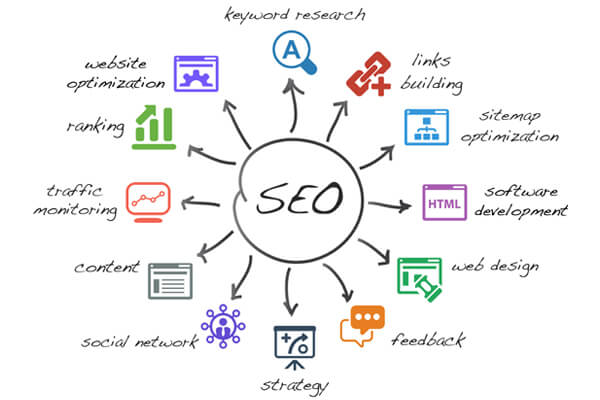
Search engine optimisation (SEO) is the practice of improving a website so that it can appear more prominently in relevant, unpaid search results. As part of a wider marketing strategy, SEO helps people discover a business when they are looking for information, products or services.
Unlike paid advertising, organic search visibility is not bought on a per-click basis. It is earned over time through useful content, a well-organised website and a positive experience for visitors. SEO can take time to deliver results, but a considered approach can support long-term visibility and bring qualified visitors to a website.
Why SEO matters in marketing
People often turn to search engines to research a problem, compare options or find a provider. Appearing for the searches that matter to your audience can help your organisation reach potential customers at different stages of their decision-making.
- It builds discoverability: SEO can help your pages appear when people search for relevant topics, products or services.
- It supports the customer journey: Informative content can answer early questions, while service and product pages can help people assess their options.
- It can strengthen credibility: Clear, helpful pages make it easier for visitors to understand what you offer and why it may suit them.
- It complements other channels: SEO can work alongside paid search, social media, email marketing and public relations.
- It provides useful insight: Search data can reveal the questions and needs people bring to your market.
The main elements of SEO
Keyword and audience research
Keyword research helps marketers understand the language people use when searching. It should begin with audience needs, rather than a list of popular phrases. Consider what your customers want to know, the problems they are trying to solve and the wording they might use.
Searches can have different intentions. Someone looking for “how to choose a running shoe” is probably researching, while someone searching for “buy running shoes” may be ready to purchase. Understanding this distinction helps you create the right page for each need.
Useful, relevant content
Content is central to SEO, but publishing frequently is not a strategy by itself. Each page should serve a clear purpose and provide accurate, original value. That might mean explaining a service, answering a common question, comparing approaches or offering practical guidance.
Use clear headings, concise paragraphs and descriptive page titles. Include relevant search terms naturally, but write for people first. Repeating keywords unnaturally can make content harder to read and does not make it more useful.
On-page optimisation
On-page SEO concerns the elements of a page that help visitors and search engines understand its subject. This includes:
- A descriptive page title and meta description
- A clear main heading and logical subheadings
- Helpful, readable copy that matches the page’s purpose
- Descriptive image file names and alternative text where appropriate
- Internal links to related pages on your website
- Short, understandable URLs
These elements should accurately describe the page. A compelling title may encourage a searcher to visit, but it should not promise something the page does not deliver.
Technical SEO
Technical SEO helps search engines access, understand and index a website. It also supports a sound experience for visitors. Important considerations include mobile usability, secure browsing, sensible site structure, working links and pages that load reliably.
For larger or more complex websites, technical work may also involve XML sitemaps, canonical URLs, redirects and structured data. These tasks should be handled carefully: incorrect changes can make pages harder to find or create duplicate versions of content.
Authority and reputation
Links from other relevant websites can help people discover your content and may contribute to how search engines assess a site. The most sustainable approach is to publish something worth referencing, build genuine industry relationships and earn coverage through useful expertise or resources.
Avoid schemes that promise large numbers of links or attempt to manipulate rankings. Such tactics can put a website’s visibility and reputation at risk.
How to integrate SEO with the wider marketing strategy
SEO works best when it is connected to the rest of marketing. Start by agreeing on business goals, such as increasing qualified enquiries, supporting online sales or helping customers find reliable information. Then identify which audiences and search topics relate to those goals.
Coordinate SEO with other teams and channels. Customer service can share common questions; sales teams can identify objections; paid search can reveal which messages attract relevant visitors; and public relations can help promote useful research or expert commentary. These insights can inform stronger content and a more consistent customer experience.
SEO should not be treated as a separate checklist applied after a website or campaign is complete. Involving SEO early in planning can help teams choose suitable topics, organise content and avoid technical issues during development.
Measuring SEO performance
Rankings can be useful to monitor, but they are only one part of the picture. A page ranking well does not necessarily mean it is attracting the right audience or contributing to business goals.
Use a combination of measures, such as:
- Organic clicks and impressions for relevant searches
- Visits to important landing pages
- Engagement with key content
- Enquiries, purchases or other meaningful conversions
- Technical health, including indexation and page performance
Interpret these measures in context. Seasonality, changes in demand, website updates and search engine changes can all affect performance. Regular reporting should explain what has changed, why it may have changed and what action is recommended next.
Common SEO mistakes to avoid
- Writing for search engines instead of readers: Content should be clear and genuinely useful, not overloaded with keywords.
- Chasing traffic without considering intent: High visitor numbers are less valuable if the content does not meet people’s needs.
- Publishing similar pages for every keyword: Overlapping pages can confuse visitors and make a website harder to manage.
- Ignoring existing content: Updating, combining or removing outdated pages may be more effective than creating new ones.
- Expecting instant results: SEO is an ongoing investment, and outcomes depend on competition, resources and the condition of the website.
- Using risky shortcuts: Manipulative tactics can undermine trust and may lead to search visibility problems.
Getting started with SEO
A practical starting point is to review your website and identify the pages most closely connected to your marketing goals. Check whether they are easy to find, answer a clear audience need and work well on mobile devices. Then look for gaps in your content and technical issues that may prevent important pages from performing well.
Prioritise improvements according to likely impact and effort. A small number of well-chosen actions—such as improving an important service page, fixing broken links or clarifying your website structure—can be more valuable than a long list of unfocused tasks.
Conclusion
Search engine optimisation is an important part of modern marketing because it helps connect useful information and relevant offerings with people who are actively searching. Its strongest results come from understanding audience needs, creating worthwhile content, maintaining a technically sound website and measuring outcomes against clear business goals.
SEO is not a one-off project or a guaranteed route to the top of search results. It is a long-term marketing discipline that rewards clarity, consistency and a focus on serving people well.
Eight Key Benefits of Search Engine Optimisation in Marketing
- Increases online visibility
- Attracts relevant visitors
- Builds brand credibility
- Supports long-term growth
- Can reduce reliance on paid ads
- Connects with customers at key moments
- Provides insights into audience needs
- Complements other marketing channels
Challenges of SEO in Marketing: Delayed Results, Unpredictable Rankings, High Competition, Time-Consuming Efforts, and Uncertain Conversions
- SEO can take months to show results.
- Rankings can change without warning.
- Competition for popular keywords is high.
- Ongoing content and technical work takes time.
- Organic traffic does not guarantee conversions.
Increases online visibility
One of the key benefits of search engine optimisation in marketing is that it increases a business’s online visibility. By improving website content and structure for relevant search terms, SEO can help pages appear more prominently when potential customers search for related products, services or information. This makes it easier for people to discover the business, bringing more relevant visitors to its website and helping build awareness over time.
Attracts relevant visitors
SEO helps attract relevant visitors by connecting your website with people actively searching for the products, services or information you offer. By creating useful content around the topics and questions that matter to your audience, you are more likely to reach potential customers who have a genuine interest in your business.
Builds brand credibility
SEO can help build brand credibility by making your business easier to find when people search for relevant information, products or services. Appearing prominently for useful, trustworthy content can give potential customers confidence in your expertise before they contact you or make a purchase. Over time, clear and helpful pages can strengthen your reputation and make your brand a more familiar, reliable choice.
Supports long-term growth
SEO can support long-term growth by helping a business build lasting visibility in organic search. Well-planned content and a technically sound website may continue attracting relevant visitors long after publication, rather than relying solely on ongoing advertising spend. As a site earns trust and improves its coverage of customer needs, it can create a stronger foundation for future enquiries, sales and brand awareness.
Can reduce reliance on paid ads
A strong SEO strategy can reduce reliance on paid advertising by helping a business attract visitors through organic search results. While paid ads can deliver quick visibility, their traffic often stops when the budget runs out. Useful content, relevant keywords and a well-optimised website can continue to bring potential customers over time, making SEO a valuable complement to paid campaigns. It is a long-term investment, though, and results are not immediate or guaranteed.
Connects with customers at key moments
One of the key benefits of SEO in marketing is that it connects your business with customers at the moments they are actively searching for answers, products or services. By creating helpful content and optimising relevant pages for the terms people use, you can appear during important stages of their decision-making—from initial research to comparing options and making a purchase. This makes your marketing more timely and relevant, helping potential customers find the information they need when they need it.
Provides insights into audience needs
SEO can reveal what audiences need by showing the questions, phrases and topics people search for. Marketers can use these insights to understand customers’ interests, concerns and priorities, then shape content, products and messaging around them. Over time, search trends can also highlight changing needs and help businesses make more informed marketing decisions.
Complements other marketing channels
SEO works best as part of a wider marketing strategy, complementing channels such as paid search, social media, email and public relations. Insights from SEO can reveal what audiences are searching for and help shape campaign topics and messaging, while other channels can promote useful content and attract attention to it. Together, these efforts create a more consistent customer journey and help businesses reach people at different stages of their decision-making.
SEO can take months to show results.
One drawback of SEO in marketing is that it can take months to show meaningful results. Search engines need time to discover and assess website changes, while competition and the site’s existing authority can also affect progress. This means SEO may not suit businesses seeking immediate leads or sales, so it is often best combined with quicker channels, such as paid advertising, while organic visibility builds over time.
Rankings can change without warning.
One drawback of search engine optimisation is that rankings can change without warning. Search engines regularly update how they assess and display websites, while competitors may improve their own content or technical performance. As a result, a page that attracts strong visibility today could lose position tomorrow, affecting traffic and enquiries. Businesses can reduce the risk by monitoring performance, keeping content useful and up to date, and avoiding reliance on a single page or search term—but rankings can never be guaranteed.
Competition for popular keywords is high.
Competition for popular keywords can make it difficult for a business to stand out in search results, particularly when larger or more established brands already dominate them. Reaching a prominent position may take considerable time, expertise and resources, with no guarantee of success. Marketers can improve their chances by targeting more specific search terms that reflect their audience’s needs, rather than relying solely on broad, highly competitive keywords.
Ongoing content and technical work takes time.
One drawback of SEO is that it requires ongoing time and effort. Content needs to be researched, written, reviewed and updated to remain useful, while technical issues such as broken links, slow page speeds and changes to website structure need regular attention. This work can place pressure on teams with limited resources, and results may take time to appear, so businesses need to plan for SEO as a continuing commitment rather than a one-off task.
Organic traffic does not guarantee conversions.
Organic traffic can increase a website’s visibility, but it does not guarantee conversions. Visitors may arrive through searches that are only loosely related to your products or services, or they may be researching without being ready to buy. Even relevant visitors might leave if the page does not meet their expectations, communicate its value clearly or make the next step easy. For this reason, SEO should be paired with useful landing pages, clear calls to action and conversion tracking, rather than judging success by traffic alone.