
How to Improve Search Engine Optimisation
Search engine optimisation (SEO) helps search engines understand your website and helps people find useful pages in search results. It is not a quick fix or a guarantee of higher rankings: results depend on your website, your audience and the competition. A steady focus on helpful content, sound technical foundations and a good user experience can make your site easier to discover and use.
Understand what your audience is searching for
Start by learning what questions and problems your potential visitors want to solve. Look at customer enquiries, sales conversations, site-search data and relevant search results. Keyword research tools can also help you discover the words people use, but treat their estimates as guidance rather than exact figures.
Focus each page on a clear topic and the purpose behind the search. Someone looking for a beginner’s guide needs different information from someone ready to compare products. Avoid creating several pages that all target the same query without offering a distinct purpose.
Create useful, trustworthy content
Write for people first. Give a clear, accurate answer, explain important details and make the page easy to scan. Use headings to organise the information, and include examples or practical steps where they genuinely help.
- Make sure the content adds value beyond what is already widely available.
- Keep facts current, especially in areas that change frequently.
- Show relevant experience and identify authors or reviewers where appropriate.
- Update pages when details become outdated, rather than changing dates without making meaningful improvements.
- Remove or combine thin, repetitive pages if they do not serve a clear purpose.
Improve titles and page descriptions
Give every important page a clear, descriptive title. A good title helps people understand what the page is about and can encourage the right visitors to click. Keep it accurate and specific; avoid repeating keywords unnaturally or promising something the page does not deliver.
Add a concise meta description that summarises the page and explains why it may be useful. Search engines may choose to show a different snippet, so treat the description as a helpful summary rather than a guaranteed search result.
Make your site easy to navigate
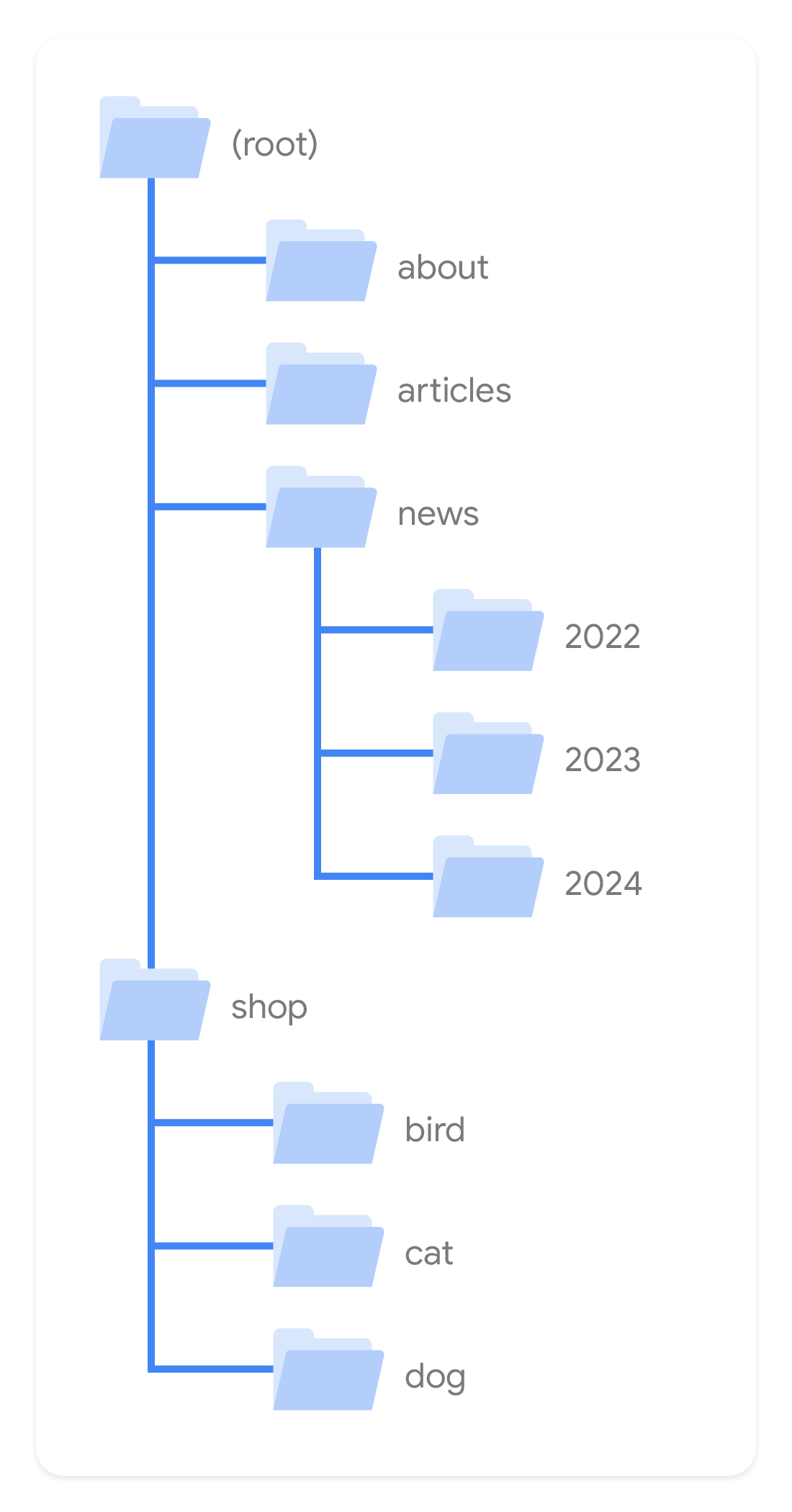
Organise pages in a logical structure. Clear menus, descriptive link text and sensible categories help visitors find information and help search engines understand how pages relate to one another.
Link between related pages when it is useful to readers. For example, a guide can link to a relevant service page or a more detailed explanation. Use link text that describes the destination instead of relying on vague phrases such as “click here”.
Check the technical foundations
Technical SEO helps search engines access, crawl and understand your site. Begin with the basics:
- Make sure important pages can be reached through normal links.
- Check that pages you want indexed are not blocked by robots.txt or marked with a noindex directive.
- Use a sitemap to help search engines discover important URLs, and keep it up to date.
- Use HTTPS and fix broken links, redirect chains and avoidable duplicate pages.
- Set a preferred version of each page where duplicate URLs could cause confusion, using redirects or canonical tags as appropriate.
- Ensure your site works well on mobile devices, with readable text and controls that are easy to use.
Use Google Search Console and other relevant webmaster tools to check for indexing problems, security issues and search performance. These tools can point to problems, but review each recommendation in the context of your site before making changes.
Improve page speed and usability
Visitors expect pages to load and respond smoothly. Compress large images, remove unnecessary scripts and choose reliable hosting. Test key pages on mobile as well as desktop. Tools such as PageSpeed Insights can highlight potential performance improvements, but do not focus on a score at the expense of a clear, functional experience.
Make the main content easy to read. Use good contrast, meaningful headings, descriptive alternative text for informative images and accessible forms. These improvements support a wider range of visitors and often make a site easier for everyone to use.
Use images and structured data thoughtfully
Choose images that support the page, keep file sizes manageable and use descriptive file names where practical. Add alternative text to explain the purpose of informative images; leave decorative images with empty alternative text so assistive technology can ignore them.
Structured data can help search engines interpret certain information, such as products, events or articles. Use the format that accurately describes visible page content, follow the relevant guidelines and validate your markup. Structured data does not guarantee enhanced search results.
Earn relevant links through useful work
Links from other reputable websites can help people discover your content and may contribute to how search engines assess a page. Focus on earning them by publishing useful resources, sharing original research or building genuine professional relationships.
Avoid buying links or using schemes designed to manipulate rankings. These tactics can put your site at risk and rarely provide lasting value.
Measure results and keep improving
Track a small set of meaningful measures, such as organic visits, search impressions, clicks, enquiries or sales. Search Console can show how pages perform in Google Search, while analytics tools can help you understand what visitors do after arriving. Consider the quality of visits as well as their volume.
Review performance regularly, identify pages that are improving or losing visibility, and investigate before making changes. Search trends, competitors and search results can all shift over time, so SEO is best treated as an ongoing process rather than a one-off task.
A practical starting point
- Choose a small group of important pages.
- Check that each page answers a clear audience need.
- Improve its title, headings, links and content where necessary.
- Check that the page is accessible, mobile-friendly and eligible to be indexed.
- Record its current performance and review the results after a reasonable period.
Effective SEO comes from making your website genuinely useful, technically accessible and easy to understand. Prioritise improvements that help visitors, measure what happens and build on what works.
8 Practical Tips to Improve Your Search Engine Optimisation
- Research keywords your audience actually uses.
- Write clear, descriptive page titles.
- Create useful, original content.
- Use headings to organise each page.
- Add descriptive alt text to images.
- Make your website fast and mobile-friendly.
- Use relevant internal links.
- Earn links from trusted websites.
Research keywords your audience actually uses.
Research the words and phrases your audience actually uses when searching for information, products or services like yours. Review customer questions, search suggestions and relevant keyword research tools to identify common queries and the intent behind them. Use these insights to create focused, useful content that answers those needs naturally, rather than forcing keywords into your pages.
Write clear, descriptive page titles.
Write a clear, descriptive title for every page so people and search engines can quickly understand what it covers. Keep it accurate and specific, place the main topic naturally near the beginning, and make each title distinct. Avoid vague wording, unnecessary repetition and keyword stuffing; a useful title should set honest expectations and help the right visitors choose your page in search results.
Create useful, original content.
Create useful, original content that answers your audience’s questions clearly and offers something they cannot get from a generic summary. Share accurate information, practical advice or first-hand insights, and organise it with clear headings so readers can find what they need. Focus on helping people rather than repeating keywords; content that is relevant, trustworthy and genuinely valuable is more likely to earn attention, engagement and natural links.
Use headings to organise each page.
Use headings to organise each page so readers can quickly understand its structure and find the information they need. Start with one clear main heading, then use descriptive subheadings in a logical order to group related points. This makes content easier to scan and can help search engines understand how the topics on your page fit together. Keep headings informative and natural, rather than filling them with keywords.
Add descriptive alt text to images.
Add descriptive alt text to images so people using screen readers can understand what they show and search engines can better interpret their context. Keep the wording concise and specific to the image and the page—for example, describe what is happening rather than listing keywords. If an image is purely decorative, use empty alt text so assistive technology can skip it.
Make your website fast and mobile-friendly.
Make your website fast and mobile-friendly so visitors can find what they need without delays or frustration. Compress large images, remove unnecessary scripts and check that pages load smoothly on both phones and computers. Use readable text, simple navigation and buttons that are easy to tap on smaller screens. A better experience can encourage visitors to stay and engage, while helping search engines understand that your site is accessible and works well across devices.
Use relevant internal links.
Use relevant internal links to guide visitors to other useful pages on your website and help search engines understand how your content is connected. Link naturally from related articles or service pages, using clear, descriptive wording that tells readers what to expect when they follow the link. Prioritise links that genuinely support the reader, and check them regularly to ensure they still lead to the right pages.
Earn links from trusted websites.
Earn links from trusted websites by creating content that others genuinely find useful, such as original research, practical guides or expert resources. Relevant links can help people discover your site and may support its visibility in search results. Focus on building real relationships with reputable organisations and industry publications, and avoid buying links or taking part in schemes designed to manipulate rankings.