
SEO Means Search Engine Optimisation
SEO stands for Search Engine Optimisation—often written as “Search Engine Optimization” in American English. It refers to the work involved in helping a website appear more prominently in unpaid search results on services such as Google and Bing.
When someone searches online, a search engine aims to show pages that are useful and relevant to their query. SEO helps search engines understand a website and can make it easier for people to find. It is not a way to buy a higher position in organic results, and it cannot guarantee a particular ranking.
What does SEO involve?
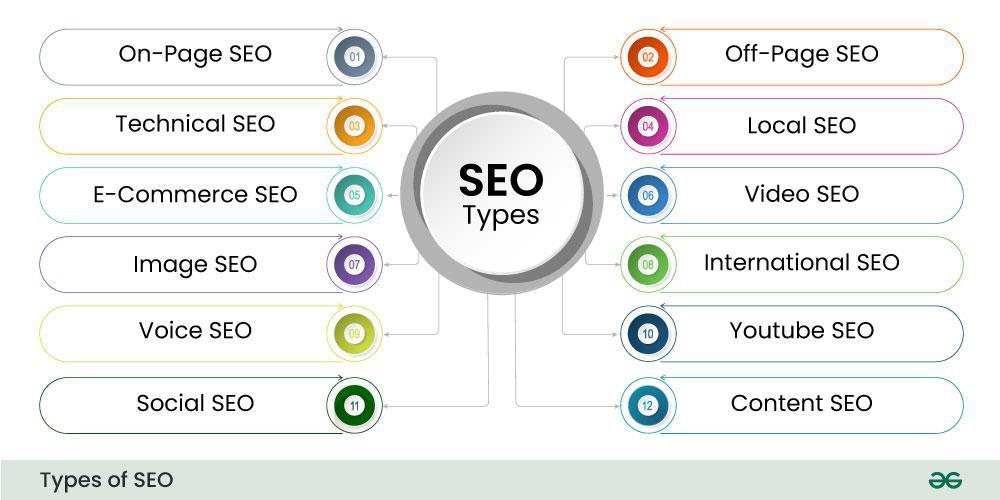
SEO is a broad practice, usually covering several areas:
- Content: Creating clear, useful pages that answer the questions people are searching for.
- On-page SEO: Organising page titles, headings, links and other content so that both visitors and search engines can understand each page.
- Technical SEO: Improving aspects such as site speed, mobile usability, crawlability and secure connections.
- Off-page SEO: Building the website’s reputation through relevant mentions, references and links from other trustworthy websites.
- Local SEO: Helping a business appear in searches connected to a particular place, such as “plumber in Leeds”.
Why is SEO important?
People often use search engines to find information, compare services and discover businesses. A well-optimised website may attract relevant visitors without paying for every click. SEO can also improve the experience of using a website: helpful content, logical navigation and pages that work well on mobile devices benefit visitors as well as search engines.
SEO is an ongoing process
Search engines regularly update how they discover and rank pages, while people’s needs and search habits change over time. SEO therefore involves reviewing a website, understanding its audience, making improvements and measuring the results. Progress may take time, and rankings can vary; lasting success depends on providing genuine value rather than trying to exploit search engine systems.
In summary
SEO means Search Engine Optimisation: the process of improving a website so search engines can understand it and people can find useful, relevant pages. At its best, SEO connects the right audience with content and services that meet their needs.
5 Essential SEO Tips to Improve Your Website’s Visibility
- SEO stands for search engine optimisation.
- Use relevant keywords naturally in your content.
- Write clear, useful page titles and descriptions.
- Make your website fast and mobile-friendly.
- Earn links from reputable websites.
SEO stands for search engine optimisation.
SEO stands for Search Engine Optimisation. It refers to the process of improving a website so search engines can understand its content and people can find it more easily in relevant, unpaid search results. This can include creating useful content, improving page structure and making sure the site works well on mobile devices.
Use relevant keywords naturally in your content.
Use relevant keywords naturally in your content to help search engines understand what each page is about and help readers find the information they need. Choose terms that reflect the topic and the language your audience is likely to use, then include them where they fit—such as in headings and key sections. Avoid forcing keywords into sentences or repeating them excessively; clear, useful writing should always come first.
Write clear, useful page titles and descriptions.
Write clear, useful page titles and descriptions to help people understand what each page offers before they visit. A good title should be concise and accurately reflect the page’s main topic, while the description should provide a helpful summary and encourage the right visitors to click. Avoid vague wording and keyword stuffing; make every title and description distinctive, relevant and easy to read.
Make your website fast and mobile-friendly.
Make your website fast and mobile-friendly so visitors can find what they need without delays, whether they’re browsing on a computer, tablet or phone. Compressing images, reducing unnecessary code and choosing a reliable hosting service can help pages load more quickly. A responsive design that adapts to different screen sizes makes content easier to read and buttons easier to use. These improvements create a better experience for visitors and can support your search engine optimisation (SEO) efforts.
Earn links from reputable websites.
Earn links from reputable websites by creating useful, trustworthy content that others genuinely want to reference. These links can help search engines discover your pages and understand your site’s credibility, while also bringing relevant visitors. Focus on building relationships and sharing genuinely valuable resources rather than buying links or using manipulative tactics, which can harm your search visibility.