
Affordable Search Engine Optimisation Services: What to Expect and How to Choose
Search engine optimisation (SEO) can help businesses attract more visitors from organic search. But for small businesses, start-ups and sole traders, the price of professional support can feel like a barrier. The good news is that affordable SEO services are available. The key is understanding what they include, how to judge their value and which warning signs to avoid.
What does affordable SEO mean?
Affordable SEO does not necessarily mean the cheapest service on the market. It means finding support that fits your budget and delivers clear, relevant work. A suitable provider should explain what they will do, why it matters and how progress will be assessed.
Costs vary according to factors such as the size of your website, the competitiveness of your industry, your location and the amount of work required. A small local business may need a different level of support from an online retailer with hundreds of products. Before comparing prices, make sure you are comparing similar services.
What can an affordable SEO package include?
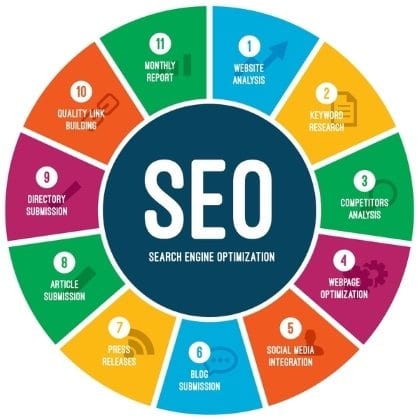
Depending on your needs and budget, a package may include some or all of the following:
- SEO audit: A review of your website to identify technical issues, content gaps and opportunities for improvement.
- Keyword research: Finding the search terms potential customers use and assessing which ones are relevant to your business.
- On-page optimisation: Improving page titles, headings, descriptions, internal links and content structure.
- Technical recommendations: Identifying issues that may affect crawling, indexing, mobile usability or page speed.
- Local SEO: Improving your visibility in local search, including support with your business listings and location-specific pages.
- Content guidance: Planning useful pages and articles that answer customers’ questions and support your business goals.
- Reporting: Regular updates on completed work and meaningful indicators such as organic traffic, rankings and enquiries.
Not every business needs every service at once. A good provider should help you prioritise the work with the greatest potential value, rather than selling a large package simply because it is available.
How to assess value for money
SEO is a long-term activity, and results cannot be guaranteed. Search engines change, competitors make improvements and organic visibility can take time to develop. Instead of looking for instant results, assess whether the provider offers a sensible plan and communicates clearly.
Before signing an agreement, ask:
- What specific work will be carried out each month?
- Which tasks are included in the quoted price, and which cost extra?
- Will you retain ownership of your website, content and analytics accounts?
- How will progress be measured and reported?
- Who will be doing the work, and how will you communicate with them?
- Is there a minimum contract period, and how can the agreement be ended?
Clear answers make it easier to compare providers and understand what you are paying for. A lower monthly fee may offer good value if it focuses on a well-defined set of priorities. Equally, a higher fee may be justified if it covers more substantial work and expertise.
Watch out for unrealistic promises
Be cautious of providers who promise a number-one ranking, guaranteed results by a particular date or an unusually large number of backlinks for a very low price. Search rankings are influenced by many factors, and no provider can control every part of the process.
It is also worth asking how a provider builds links and creates content. Practices designed to manipulate search rankings can put your website at risk. Sustainable SEO should focus on helping people find useful, trustworthy information and making your website easier for search engines to understand.
Ways to make your SEO budget go further
- Start with an audit. A clear assessment can help you avoid spending money on tasks that are not a priority.
- Set a focused goal. For example, you might aim to improve visibility for a particular service or attract more local enquiries.
- Make use of your existing expertise. You can often provide the knowledge and examples a writer needs to create accurate, useful content.
- Build on existing pages. Improving a relevant page may be more effective than publishing new content without a plan.
- Track useful outcomes. Rankings matter, but also consider qualified visits, calls, enquiries and sales.
- Review the work regularly. Check that activity remains aligned with your business goals as your needs change.
Is low-cost SEO right for your business?
Affordable SEO services can be a practical option if you are starting out, have a limited budget or need help with a specific issue. You might begin with a one-off audit, a local SEO review or a small number of priority improvements, then expand the work as your business grows.
If you have the time and confidence, you can also handle some basics yourself, such as keeping business information accurate, writing clear service pages and making sure your website answers common customer questions. Professional guidance can help you decide where expert support is most valuable.
Choose a service that fits your goals
The best affordable SEO service is not simply the one with the lowest price. It is the one that understands your business, explains its approach and puts your budget towards work that supports realistic goals. Ask questions, compare the details and be wary of promises that sound too good to be true. With a clear plan and consistent effort, SEO can become a valuable part of your long-term marketing strategy.
9 Essential Tips for Choosing Affordable SEO Services in the UK
- Set a clear monthly budget before comparing SEO providers.
- Ask for a simple, itemised list of services and fees.
- Choose a provider with experience in your industry.
- Check independent reviews and relevant case studies.
- Prioritise technical fixes, useful content and local SEO.
- Avoid packages promising instant rankings or guaranteed results.
- Make sure you retain access to your website and analytics.
- Agree on realistic goals and regular progress reports.
- Compare value and transparency, not just the lowest price.
Set a clear monthly budget before comparing SEO providers.
Set a clear monthly budget before comparing SEO providers so you can focus on services that are realistic for your business. Decide what you can comfortably invest over several months, as SEO usually takes time to show results, and allow for any extra costs such as content creation or technical work. With a budget in mind, you can compare providers more fairly, ask what each package includes and avoid committing to services that exceed your means.
Ask for a simple, itemised list of services and fees.
Ask for a simple, itemised list of services and fees before agreeing to any SEO package. It should explain exactly what work is included—such as keyword research, website improvements, content support or reporting—and show any extra costs separately. This makes it easier to compare providers, understand what you’re paying for and avoid unexpected charges. If a quote is vague, ask for clarification before signing.
Choose a provider with experience in your industry.
Choose an SEO provider with experience in your industry, as they’re more likely to understand your customers, competitors and the search terms that matter to your business. This knowledge can help them recommend practical priorities and avoid spending your budget on generic tactics. Ask for relevant examples of previous work, and look for clear explanations of how their approach could support your goals—without expecting guaranteed rankings or results.
Check independent reviews and relevant case studies.
Before choosing an affordable SEO provider, check independent reviews and look for case studies relevant to your business, industry or goals. Reviews can reveal how the company communicates, manages expectations and supports clients, while case studies may show the work carried out and the results achieved. Look for specific details rather than broad promises, and remember that past performance cannot guarantee future results. For a more balanced view, compare feedback across several independent sources and ask the provider to explain how its experience could apply to your situation.
Prioritise technical fixes, useful content and local SEO.
When working with a limited SEO budget, focus first on improvements that can make a meaningful difference. Fix technical issues that prevent search engines from crawling or indexing your site, and make sure it works well on mobile. Create useful, accurate content that answers your customers’ questions, rather than publishing pages simply to target keywords. If you serve a particular area, invest in local SEO by keeping your business details consistent and improving your location-specific pages. These practical priorities can build a stronger foundation for visibility without stretching your budget.
Avoid packages promising instant rankings or guaranteed results.
Avoid SEO packages that promise instant rankings or guaranteed results. Search engines consider many factors when ranking websites, and no provider can control them all or promise a specific position. These claims may signal shortcuts that could put your site at risk. Instead, choose a service that explains its approach clearly, sets realistic expectations and focuses on steady improvements you can track over time.
Make sure you retain access to your website and analytics.
Make sure you retain full access to your website, domain, and analytics accounts when working with an SEO provider. These assets belong to your business, and you may need them to review performance, make changes or work with another provider in future. Grant access using individual user accounts with appropriate permissions, rather than sharing passwords or letting an agency register accounts in its own name.
Agree on realistic goals and regular progress reports.
Agree on realistic SEO goals with your provider from the outset, such as improving visibility for selected search terms, attracting more relevant website visitors or increasing local enquiries. SEO takes time, so be wary of promises of instant results or guaranteed rankings. Ask for regular progress reports that explain what work has been completed, what the data shows and what the next steps are. Clear, consistent reporting helps you understand how your budget is being used and whether the strategy remains aligned with your business goals.
Compare value and transparency, not just the lowest price.
When comparing affordable search engine optimisation services, look beyond the lowest price and consider the value and transparency on offer. A trustworthy provider should clearly explain what work is included, how it supports your goals, what may cost extra and how progress will be reported. A cheaper package may leave important tasks out, while a slightly higher fee could include a more useful strategy and regular communication. Choose a service that makes its methods and costs easy to understand, and be wary of vague promises or guaranteed rankings.