
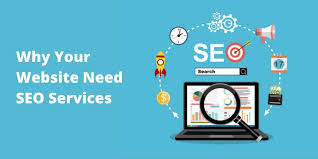
How to SEO Your Company Website
Search engine optimisation (SEO) helps potential customers find your company when they search online for the products, services or information you offer. A well-optimised website can attract relevant visitors, answer their questions and make it easier for them to take the next step.
SEO is an ongoing process rather than a one-off task. Search engines update how they assess websites, and your customers’ needs may change over time. The following practical steps can help you build a strong foundation.
Understand what your customers are searching for
Start by thinking about the questions your customers ask and the words they use to describe your products or services. Keyword research can help you identify these searches and understand their intent.
- List your main products, services and areas of expertise.
- Note the questions customers ask before making a purchase.
- Use keyword research tools and search suggestions to find relevant search terms.
- Consider local phrases, such as a service combined with a town or region, if you serve a specific area.
Choose keywords that reflect what your business genuinely offers. A page targeting a broad phrase may attract visitors, but a more specific search term can bring people who are closer to making a decision.
Give every important page a clear purpose
Each key page should focus on a particular topic, service or customer need. Avoid creating several pages that all target the same search without a clear reason, as this can make it difficult for visitors and search engines to understand which page is most useful.
Company websites commonly include dedicated pages for each main service, product category, location and important customer question. Make sure these pages are easy to reach through your navigation and internal links.
Create useful, original content
Good content helps visitors understand what you do and whether your company is right for them. Write in clear language, provide accurate information and explain your expertise in a way that is useful to your audience.
For service or product pages, include details such as:
- What the service or product involves
- Who it is suitable for
- How the process works
- What customers need to know before getting started
- How to contact your company or request a quote
Articles, guides and frequently asked questions can also address common customer concerns. Publish them when you have something valuable to say, rather than producing content simply to include more keywords. Keep important information up to date, especially details about prices, regulations, availability or business services.
Optimise page titles and headings
Page titles help describe a page in search results and browser tabs. Write a distinct, concise title for each important page that accurately reflects its content. Include a relevant search phrase where it fits naturally, and make the wording clear enough to encourage the right people to visit.
Use one clear main heading to introduce the page, followed by subheadings that organise the information. A logical heading structure makes content easier to scan for visitors and gives the page a clearer structure.
Write helpful meta descriptions
A meta description is a short summary that may appear beneath a page title in search results. It does not guarantee a higher ranking, but a clear and relevant description can help searchers decide whether to visit your page.
Summarise what the page offers, use natural language and avoid making claims the page does not support. Write a different description for each important page.
Make your website easy to use
A website should be straightforward to navigate on both desktop and mobile devices. Visitors should be able to find key information, understand what your company offers and contact you without unnecessary effort.
- Use clear navigation labels.
- Make contact details easy to find.
- Ensure buttons and forms work on mobile screens.
- Use readable font sizes and strong colour contrast.
- Keep important content accessible without excessive pop-ups or distractions.
Page experience matters to customers. Test your site on different devices and browsers, and fix problems that make it slow, confusing or difficult to use.
Improve page speed and technical health
Technical SEO helps search engines access, understand and index your website. It also helps prevent technical issues from getting in the way of visitors.
Check that your website:
- Uses HTTPS for a secure connection.
- Loads efficiently, particularly on mobile devices.
- Has no broken links or important pages returning errors.
- Includes an XML sitemap and a correctly configured robots.txt file where appropriate.
- Uses canonical URLs to clarify the preferred version of duplicate or similar pages.
- Does not accidentally block important pages from search engines.
Tools such as Google Search Console can help identify indexing issues and show how your website appears in Google Search. Website performance tools can also highlight opportunities to improve loading times.
Use internal links thoughtfully
Internal links connect pages on your website. They help visitors discover related information and make it easier for search engines to find important pages.
Link between relevant pages using descriptive link text. For example, a link labelled “commercial accountancy services” is more informative than “click here”, provided it accurately describes the destination. Make sure your most important pages are not buried several clicks away from the homepage.
Build trust and demonstrate your expertise
People are more likely to contact a company when they can see who is behind the business and understand why they should trust it. Make your website transparent and ensure that important business information is easy to verify.
Consider including:
- A clear About page with accurate company details
- Staff qualifications or relevant experience
- Genuine customer testimonials or case studies, used with permission
- Accurate contact details and service areas
- Privacy, returns or other policies relevant to your business
Only publish reviews, credentials and claims that you can substantiate. Trust is built through accurate information and a consistent customer experience.
Strengthen your local SEO
If your company serves customers in a particular area, make your location information clear and consistent. Create or update your Google Business Profile, select suitable categories and add accurate opening hours, contact details and service information.
Local landing pages can be useful when your business genuinely serves multiple areas. Give each page distinctive, helpful information rather than publishing near-identical pages that only change the place name. You can also encourage satisfied customers to leave honest reviews and respond professionally to feedback.
Measure your results
Use analytics and search reporting tools to understand how people find and use your website. Useful measures may include:
- Organic search visits
- Search queries and impressions
- Enquiries, calls, bookings or purchases
- Engagement with important pages
- Technical errors and indexing status
Focus on outcomes that matter to your business, not just rankings or traffic. A rise in visits is less useful if those visitors are not relevant or do not take meaningful action.
Common SEO mistakes to avoid
- Keyword stuffing: Repeating phrases unnaturally makes content harder to read and is not a sound optimisation strategy.
- Copying content: Use original copy that reflects your company’s services and expertise.
- Creating pages for every keyword variation: Prioritise useful pages with a clear purpose.
- Ignoring mobile users: Check that pages, forms and navigation work well on smaller screens.
- Expecting instant results: SEO often takes time, and results depend on your website, market and competition.
- Buying links or making misleading claims: Focus on earning attention through useful content, reliable service and genuine relationships.
Build SEO into your regular website routine
To SEO your company website effectively, begin with the pages and technical issues that matter most. Make sure your core services are explained clearly, your site works well on mobile devices and customers can easily contact you. Then review performance regularly, update information when it changes and improve pages based on what your audience needs.
Consistent, customer-focused work is a more sustainable approach than chasing quick fixes. By making your website useful, accessible and trustworthy, you give both potential customers and search engines a clearer understanding of your business.
Top 6 Essential SEO Tips to Boost Your Company Website’s Performance
- Use relevant keywords naturally in page titles and headings.
- Write clear, unique meta descriptions for key pages.
- Make your website fast and mobile-friendly.
- Create helpful content that answers customers’ questions.
- Use descriptive URLs and image alt text.
- Earn links from reputable, relevant websites.
Use relevant keywords naturally in page titles and headings.
Use relevant keywords naturally in your page titles and headings to help visitors and search engines understand what each page is about. Choose phrases that reflect the page’s content and match the terms your customers are likely to search for, but avoid forcing keywords where they do not fit. Clear, descriptive wording makes pages easier to scan and helps set accurate expectations for visitors.
Write clear, unique meta descriptions for key pages.
Write a clear, unique meta description for each important page on your company website. Summarise what visitors will find, include relevant search terms naturally and explain why the page may be useful. A well-written description can encourage the right people to click through from search results, although search engines may sometimes display a different snippet.
Make your website fast and mobile-friendly.
Make sure your company website loads quickly and works smoothly on mobile devices, where many customers will first discover your business. Compress large images, remove unnecessary features and test your pages on different screen sizes to improve loading times and usability. A fast, mobile-friendly site makes it easier for visitors to find information, contact you and complete a purchase, while also supporting a better experience for search users.
Create helpful content that answers customers’ questions.
Create helpful content that answers your customers’ questions clearly and accurately. Think about what people want to know before choosing your products or services, then provide practical information on your website through service pages, guides and frequently asked questions. Useful, original content can build trust, keep visitors engaged and help search engines understand how your company can meet their needs.
Use descriptive URLs and image alt text.
Use clear, descriptive URLs that tell visitors what a page is about—for example, “/accountancy-services/” rather than a string of numbers or unrelated characters. Keep them concise, use hyphens to separate words and avoid changing existing URLs unless you can set up redirects. Add concise, accurate alt text to images that convey useful information, explaining what the image shows and how it relates to the page. This improves accessibility for people using screen readers and helps search engines understand your images; use empty alt text for purely decorative images, and avoid cramming in keywords.
Earn links from reputable, relevant websites.
Earn links from reputable, relevant websites to help people discover your company and strengthen your site’s credibility. Focus on genuine opportunities, such as contributing expert insights to industry publications, partnering with trusted local organisations or creating useful resources others will want to reference. Prioritise links that make sense for your business and audience, and avoid buying links or using schemes designed to manipulate search rankings.
- business optimizer
- business site
- business website
- business websites
- engine
- engineering
- optimizely
- search engine optimization
- search engine optimization company
- search engine optimization service
- search engines
- seo
- seo agencies
- seo agency
- seo companies
- seo company
- seo optimization services
- seo services
- seo web services
- site company
- site engine
- web and seo
- website
- website optimization services