
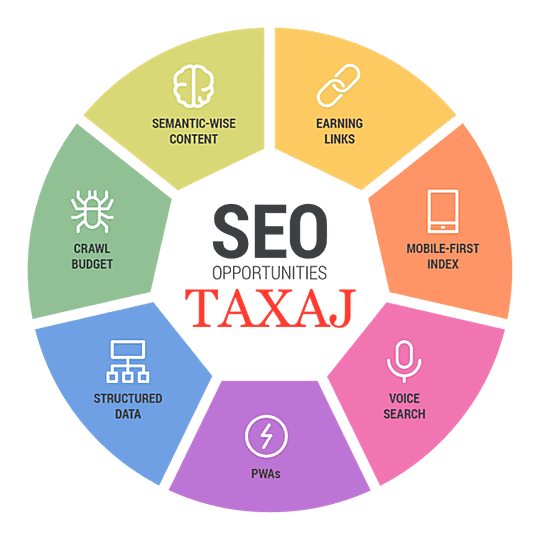
Internet Search Engine Optimisation: A Practical Guide
When people need an answer, product or service, they often begin with an internet search. Search engine optimisation (SEO) is the process of improving a website so that it can be discovered more easily in search results and provides a useful experience once visitors arrive. It combines technical improvements, relevant content and an understanding of what people are trying to find.
SEO is not a quick trick for securing the top position on Google. Search engines use many signals to decide which pages to show, and their results can change over time. Effective optimisation focuses on making a website clear, useful and accessible for both people and search engines.
How search engines work
Search engines generally work in three stages. First, automated programmes called crawlers discover pages by following links and reading sitemaps. Next, the pages they find may be stored in an index. Finally, when someone searches, the search engine selects and orders pages that it believes are relevant and helpful for that query.
Getting a page indexed does not guarantee that it will appear prominently. Search engines assess many factors, including the page’s relevance, quality, usability and authority. The precise systems are complex and change over time, so sound SEO is based on good fundamentals rather than attempts to exploit a particular ranking signal.
Start with the audience and their search intent
Before writing or updating a page, consider what the visitor wants to achieve. Someone searching for “how to insulate a loft” is likely looking for practical guidance, while someone searching for “loft insulation installer near me” may be ready to contact a local business. These different needs are known as search intent.
Keyword research can help identify the words and phrases people use, but it should not become a reason to force keywords into every sentence. Use the language your audience understands, answer their questions directly and make each page’s purpose clear. A page that genuinely meets a need is more valuable than one written solely to attract clicks.
Create useful, well-structured content
Helpful content is central to SEO. It should be accurate, easy to understand and sufficiently detailed for its subject. Show relevant knowledge and experience, keep information up to date, and make it clear who is responsible for the content where that matters, such as on medical or financial topics.
Organise information with descriptive headings and short paragraphs. A clear title helps readers and search engines understand what a page covers. Use links to connect related pages, and choose link text that describes where the link leads. Images can make a page more engaging; add concise alternative text when an image conveys information, and compress image files to help pages load efficiently.
Make the website technically accessible
Technical SEO helps search engines discover and understand a site. Check that important pages can be crawled, that internal links work and that there are no accidental restrictions preventing pages from being indexed. An XML sitemap can help search engines find key URLs, although submitting one does not guarantee inclusion in search results.
Website performance and usability matter too. Pages should work well on mobile devices, load reliably and use secure connections. Avoid confusing navigation, intrusive pop-ups and design choices that make text difficult to read. Accessibility improvements—such as meaningful headings, keyboard-friendly controls and appropriate text alternatives—can make a site easier for many visitors to use.
Build credibility naturally
Links from other websites can help search engines discover pages and may indicate that content is worth referencing. The most sustainable way to earn links is to publish something useful, original or authoritative that people genuinely want to cite. Relevant partnerships, expert contributions and accurate business listings can also support a site’s visibility.
Be wary of services promising hundreds of links, guaranteed rankings or instant results. Buying links or using other manipulative tactics can put a website at risk of search-engine penalties. A strong reputation is built through useful work and trustworthy relationships, not shortcuts.
Local search engine optimisation
For businesses serving a particular area, local SEO can help reach nearby customers. Keep the business name, address and telephone number consistent across reputable listings. Maintain an accurate business profile on relevant search platforms, choose appropriate categories, and provide clear information about services and opening hours. Encourage genuine customer reviews and respond to them professionally.
Measure progress and keep improving
SEO takes time, and rankings alone do not show whether a strategy is working. Track relevant measures such as organic visits, search queries, enquiries, sales and engagement with important pages. Search Console tools can help reveal how a site appears in search, while analytics platforms can show what visitors do after they arrive.
Use this information to identify pages that need clearer answers, stronger internal links or technical attention. Compare performance over meaningful periods and account for seasonal changes. Avoid making sweeping changes based on a short-lived fluctuation.
A long-term approach to SEO
Internet search engine optimisation is an ongoing process rather than a one-off task. The strongest approach is to understand your audience, publish reliable content, maintain a technically sound website and earn trust over time. There are no guaranteed rankings, but consistent improvements can make your site easier to find and more useful to the people who matter most.
Top 6 Tips for Effective Internet Search Engine Optimisation
- Research the search terms your audience uses.
- Write useful, original content that answers their questions.
- Use clear page titles and concise meta descriptions.
- Make your website fast and mobile-friendly.
- Use descriptive headings and image alt text.
- Earn links from relevant, reputable websites.
Research the search terms your audience uses.
Researching the search terms your audience uses helps you understand what they need and how they look for it online. Consider the questions they ask, the phrases they use and whether they are seeking information, comparing options or ready to buy. Use keyword research tools, customer feedback and your own knowledge of the market to find relevant terms, then include them naturally in clear, useful content. Focus on answering the searcher’s intent rather than repeating keywords unnecessarily.
Write useful, original content that answers their questions.
Write useful, original content that answers your audience’s questions clearly and accurately. Start by considering what readers want to know, then provide practical information in your own words, supported by reliable sources or relevant experience. Avoid repeating generic material or adding keywords where they do not belong; instead, organise the page so it is easy to scan and keep it up to date. Content that genuinely helps visitors is more likely to earn their trust and encourage them to return.
Use clear page titles and concise meta descriptions.
Use clear, descriptive page titles and concise meta descriptions to help people understand what each page offers before they visit. A good title accurately reflects the page’s main subject and includes relevant terms naturally, while the meta description briefly summarises its value and encourages the right visitors to click. Keep both unique to each page, avoid keyword stuffing, and make sure they set expectations the page genuinely fulfils. Although meta descriptions do not directly determine rankings, they can influence how your result appears and whether people choose to visit.
Make your website fast and mobile-friendly.
A fast, mobile-friendly website makes it easier for visitors to find information and take action, whether they are browsing on a phone, tablet or computer. Compress images, limit unnecessary scripts and choose responsive layouts that adapt to different screen sizes. Test pages on mobile devices and check that text is readable, links are easy to tap and important content loads promptly. A smooth experience can encourage visitors to stay and explore, while also supporting your website’s search visibility.
Use descriptive headings and image alt text.
Use descriptive headings to organise your content and make it easier for readers to scan and understand. Headings should clearly describe the section that follows, rather than relying on vague labels. Add concise, accurate alt text to images that convey useful information, explaining what each image shows and why it matters in context. This can help people using screen readers and gives search engines additional context; decorative images can usually be given empty alt text so they are not read aloud unnecessarily.
Earn links from relevant, reputable websites.
Earn links from relevant, reputable websites by creating useful content that others genuinely want to reference, such as original research, practical guides or expert insights. Links from trusted sources in your field can help people discover your website and may strengthen its credibility with search engines. Focus on building genuine relationships and offering value, rather than buying links or using schemes that promise quick results, as manipulative tactics can damage your site’s reputation.