
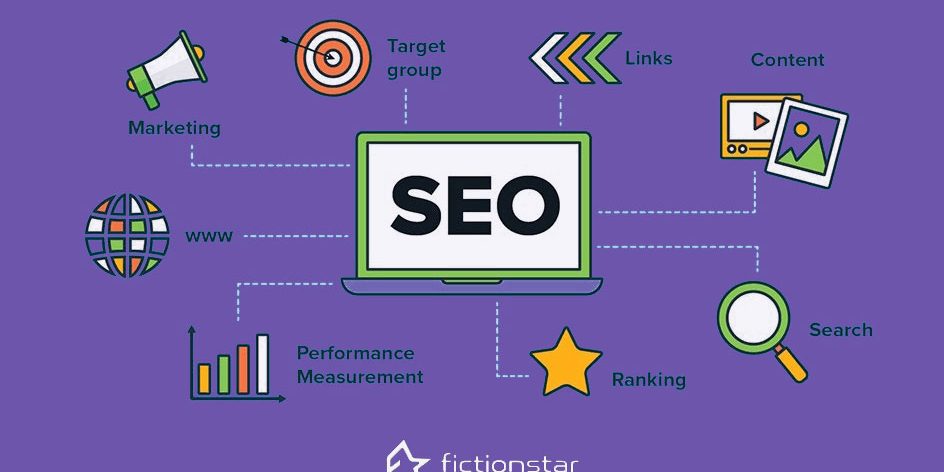
SEO Optimisation for Your Website: A Practical Guide
SEO optimisation helps people find your website through unpaid search results. It brings together useful content, clear site structure and sound technical foundations so that search engines can understand your pages and visitors can find what they need.
SEO is not a one-off task, nor is it a guarantee of a particular ranking. Search results change over time, and effective work depends on your audience, your website and the competition. The steps below provide a practical starting point.
Understand what your audience is searching for
Before creating or updating pages, consider the questions your potential visitors are trying to answer. Keyword research can help you discover the words and phrases they use, but the aim is not to repeat a phrase as often as possible. It is to understand the subject behind the search.
- List the products, services or information your website offers.
- Think about the questions customers ask before making a decision.
- Look for relevant search terms and related topics.
- Consider whether someone is researching, comparing options or ready to take action.
Each important page should have a clear purpose. A page about one service, for example, should not try to cover every subject your business handles.
Create helpful, original content
Content should serve the reader first. Explain the topic clearly, answer likely questions and include details that demonstrate first-hand knowledge where appropriate. Avoid publishing thin pages simply to target more keywords, or copying material from other websites.
Use a logical heading structure. A page normally has one main heading, followed by descriptive subheadings that organise its sections. Short paragraphs, plain language and examples can make information easier to scan, particularly on mobile devices.
Review existing content as well as publishing new material. Update outdated information, improve pages that do not fully answer their topic and combine overlapping pages when doing so makes the site clearer.
Improve titles and page descriptions
Give every important page a descriptive title that accurately reflects its content. Titles may appear as clickable headings in search results, so make them distinctive and easy to understand. Include a relevant search phrase naturally where it fits, but avoid awkward repetition.
A meta description can summarise what a visitor will find on the page. Search engines may use it in a result, although they can choose different text instead. Write a concise, specific description that sets clear expectations rather than making claims the page cannot support.
Make your website easy to navigate
A clear site structure helps visitors move between related pages and helps search engines discover how your content is organised. Use straightforward navigation, meaningful category names and internal links that explain where they lead.
When linking to another page on your site, use descriptive anchor text. For example, “read our guide to choosing a broadband plan” is more informative than “click here”. Link to relevant pages where it genuinely helps the reader, rather than adding links for their own sake.
Pay attention to technical SEO
Technical SEO covers the behind-the-scenes elements that affect whether a website can be crawled, understood and used. You do not need to make every technical adjustment at once, but the following checks are useful:
- Mobile usability: Make sure pages work well on small screens, with readable text and controls that are easy to use.
- Page speed: Compress large images, reduce unnecessary scripts and review slow pages. Faster pages can also make the experience less frustrating for visitors.
- Secure browsing: Use HTTPS across your website and check that old HTTP links redirect correctly.
- Crawlability: Ensure important pages are not accidentally blocked from search engines.
- Duplicate URLs: Use redirects or canonical tags where needed to clarify which version of a page should be treated as the main one.
- XML sitemap: Provide a sitemap that lists the important URLs you want search engines to discover.
- Broken links: Find and repair links that lead to missing or outdated pages.
Structured data can also help describe certain types of content to search engines. Use it only when it accurately represents visible information on the page, and check that it follows the relevant guidelines.
Use images thoughtfully
Images can make a page more engaging, but large files may slow it down. Choose suitable dimensions and formats, and compress images without noticeably reducing their quality. Write useful alternative text for images that convey information; decorative images can generally be given empty alternative text so assistive technology can skip them.
Use descriptive file names where practical, but do not expect image names or alternative text alone to improve a page’s rankings. Their main purpose is to support accessibility and help clarify the image’s content.
Build trust and earn relevant links
Links from other websites can help people discover your content and may provide useful context to search engines. Focus on earning links by publishing genuinely useful resources, building relationships in your field and making your expertise easy to understand.
Avoid buying links or taking part in schemes designed to manipulate rankings. Such tactics can put a website at risk and rarely provide lasting value. On your own site, make it easy for visitors to find clear information about your organisation, contact details and relevant policies.
Measure progress and keep improving
Use tools such as Google Search Console and website analytics to understand how people find and use your pages. Look at relevant measures, including search impressions, clicks, enquiries, sales and engagement. Rankings can be useful to monitor, but they should not be the only measure of success.
Allow time for changes to be discovered and assessed. Make improvements based on evidence: check which pages attract visitors, where people leave and whether the content meets their needs. Keep a record of significant changes so you can understand what may have influenced the results.
Common SEO mistakes to avoid
- Repeating keywords unnaturally throughout a page.
- Publishing large amounts of low-value or duplicate content.
- Using vague page titles and headings.
- Ignoring mobile users and page performance.
- Adding internal links that do not help visitors.
- Expecting immediate results or guaranteed rankings.
- Following outdated advice without checking current guidance.
Conclusion
Effective SEO optimisation for a website starts with understanding visitors and giving them a clear, useful experience. Create helpful content, organise your pages sensibly, maintain the technical basics and review performance over time. Consistent, reader-focused improvements provide a stronger foundation than quick fixes or attempts to manipulate search results.
Top 7 FAQs About SEO Optimisation for Your Website
- What is SEO optimisation for a website?
- How does SEO help a website attract more visitors?
- How do I optimise my website for search engines?
- How long does it take to see results from SEO?
- How much does website SEO optimisation cost?
- Can I do SEO for my website myself?
- What are the most important SEO factors for a website?
What is SEO optimisation for a website?
SEO optimisation for a website is the process of improving its content, structure and technical performance so search engines can understand and display its pages in relevant search results. It also helps visitors find useful information and navigate the site easily. This can involve researching what people search for, creating helpful content, improving page titles and headings, making the site mobile-friendly and fixing technical issues. SEO is an ongoing process, and results can take time; no change can guarantee a particular ranking.
How does SEO help a website attract more visitors?
SEO helps a website attract more visitors by improving its visibility in unpaid search results. By creating useful, relevant content, using clear page titles and headings, and ensuring the site is fast, mobile-friendly and easy for search engines to understand, a website can appear for searches that match what people are looking for. This can bring in more qualified visitors who are interested in its information, products or services.
How do I optimise my website for search engines?
To optimise your website for search engines, start by researching the terms your audience uses and create useful, original content that answers their questions. Give each page a clear title and structure, use descriptive headings and internal links, and make sure your site is mobile-friendly, secure and quick to load. Check that search engines can access your important pages, use clear URLs and add descriptive text for informative images. Track performance with tools such as Google Search Console, then update your pages based on what visitors need and how they find your site. SEO takes time, so focus on steady improvements rather than guaranteed rankings.
How long does it take to see results from SEO?
SEO results rarely appear overnight. It can take a few weeks for search engines to discover and process changes, while noticeable improvements in rankings and organic traffic often take several months. The timeframe depends on factors such as your website’s history, the competitiveness of your industry, the quality of your content and the work involved. Regularly publishing useful content, fixing technical issues and earning relevant links can support progress, but no SEO provider can guarantee a specific result or date.
How much does website SEO optimisation cost?
The cost of website SEO optimisation varies depending on your site’s size, its current condition, the competitiveness of your industry and the work required. A one-off technical audit or set of recommendations may cost less than ongoing support that includes technical fixes, content creation and regular reporting. Agencies, consultants and in-house teams also charge differently, so compare what each service includes rather than price alone. Ask for a clear scope, realistic timescales and measurable goals, and be cautious of anyone promising guaranteed rankings.
Can I do SEO for my website myself?
Yes, you can do SEO for your website yourself, particularly if it is small or you are willing to learn the basics. Start by understanding what your audience searches for, creating useful content, writing clear page titles and headings, improving navigation, and making sure your site works well on mobile devices. Free tools such as Google Search Console can help you monitor how your pages appear in search results. SEO takes time and ongoing effort, so you may wish to hire a specialist if your website is complex or you need support with technical issues or a competitive market.
What are the most important SEO factors for a website?
The most important SEO factors are useful, original content that meets your audience’s needs; clear page titles, headings and internal links; and a website that is fast, mobile-friendly, secure and easy for search engines to crawl. Relevant links from trustworthy websites can also support your site’s visibility. Focus on making pages genuinely helpful and straightforward to use rather than trying to manipulate rankings, and review performance regularly so you can improve what matters most.