
How SEO Works: A Practical Guide to Search Engine Optimisation
Search engine optimisation (SEO) is the process of improving a website so that search engines can understand its content and show it to people looking for relevant information, products or services. Done well, SEO can help attract more of the right visitors from unpaid search results.
SEO is not a single trick or a guaranteed route to the top of search results. It involves a range of connected activities, from making pages easy to find and use to publishing useful content that meets people’s needs.
How search engines find and rank pages
Search engines generally work through three stages: crawling, indexing and ranking.
- Crawling: Automated programmes, often called crawlers or bots, discover pages by following links and reading sitemaps.
- Indexing: The search engine analyses the pages it can access and may store information about them in its index. A page that cannot be crawled or indexed is unlikely to appear in search results.
- Ranking: When someone searches, the search engine selects and orders results it considers useful for that query. It can take into account many signals, including relevance, quality, usability and context.
Search algorithms are complex and change over time. No website can control exactly how a search engine evaluates it, but good SEO makes a site clearer, more accessible and more useful for both visitors and search engines.
Understanding what people search for
Effective SEO starts with understanding your audience. Keyword research can reveal the words and questions people use when looking for information, products or services. The aim is not simply to find popular phrases, but to understand the intent behind them.
For example, someone searching for “how to repair a dripping tap” is likely looking for instructions, while someone searching for “emergency plumber near me” may need a local service quickly. Pages are more likely to be helpful when their content matches what the searcher is trying to do.
Creating useful, relevant content
Content gives search engines information about what a page is about, but it should be written primarily for people. A strong page answers its subject clearly, accurately and in enough detail to meet the reader’s needs.
- Use a clear title and headings that describe the page.
- Organise information in a logical order.
- Explain unfamiliar terms and support important claims where appropriate.
- Keep information accurate and update it when it becomes out of date.
- Avoid repeating keywords unnaturally or publishing pages that add little value.
There is no ideal word count for every topic. The right length depends on what readers need. A concise answer may be best for a simple question, while a more complex subject may need a detailed explanation.
On-page SEO
On-page SEO covers improvements made to individual pages. These help search engines interpret the content and help visitors navigate it.
Useful on-page elements include descriptive page titles, informative headings, readable URLs, relevant internal links and concise meta descriptions. A meta description may appear beneath a page title in search results, although search engines can choose to display a different extract.
Images can also be made easier to understand by using suitable file names, compressing files to support faster loading and writing alternative text when an image conveys meaningful information.
Technical SEO
Technical SEO helps search engines access and process a website. It also supports a reliable experience for visitors. Common areas to review include:
- Making sure important pages can be crawled and indexed.
- Using a clear site structure and helpful internal links.
- Providing an XML sitemap where appropriate.
- Ensuring the site works well on mobile devices.
- Improving page speed and avoiding disruptive errors.
- Using HTTPS to protect connections.
- Managing duplicate or very similar pages correctly.
Technical changes should be tested carefully. For instance, incorrect settings in a robots.txt file or a “noindex” instruction can prevent pages from appearing in search results.
Off-page SEO and reputation
Off-page SEO refers to signals and activity beyond your own website. Links from other relevant, reputable websites can help people discover your content and may contribute to how search engines assess a page. However, buying links or using manipulative link schemes can put a site at risk.
Building a sound reputation is more sustainable. Publish material worth referencing, provide a dependable service and develop genuine relationships with organisations and publications in your field. For businesses serving a particular area, accurate local listings and consistent contact details can also help people find them.
How to measure whether SEO is working
SEO performance should be measured against business or organisational goals, not just rankings. Useful measures may include:
- Organic visits to relevant pages.
- Search impressions and clicks.
- Enquiries, bookings, sales or other meaningful actions.
- How well important pages are indexed.
- Engagement and conversion rates from search visitors.
Search Console and analytics tools can help reveal how people find and use a website. Look at trends over time and consider other factors, such as seasonality, changes to the site and shifts in demand. A ranking improvement is not necessarily valuable if it does not attract the right audience or support your goals.
How long does SEO take to work?
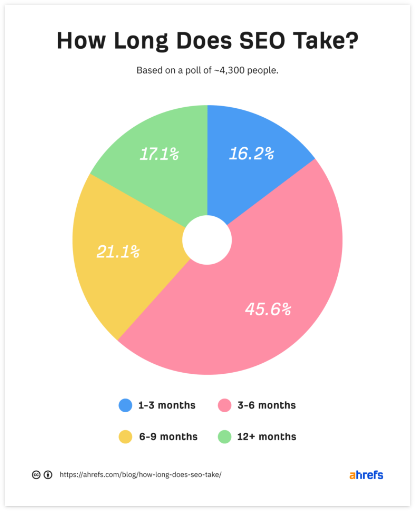
SEO usually takes time. Search engines need to discover and assess changes, and competitors may also be improving their websites. The time required depends on factors such as a site’s history, its technical condition, the competitiveness of its subject and the scale of the work.
There is no guaranteed timetable or position in search results. Be cautious of anyone promising instant rankings or guaranteed number-one placement. A sensible approach is to prioritise the most important issues, make improvements consistently and review the results regularly.
In summary
SEO works by helping search engines discover, understand and assess your website, while making its pages more useful to the people who visit them. Research your audience, create relevant and trustworthy content, maintain a sound technical foundation and measure outcomes that matter. Over time, these practices can improve your visibility in search and bring more qualified visitors to your site.
6 Essential SEO Tips to Enhance Your Website’s Visibility and Performance
- Target keywords your audience actually searches for.
- Write clear, useful titles and meta descriptions.
- Create helpful content that answers searchers’ questions.
- Use descriptive headings and internal links.
- Make pages fast and mobile-friendly.
- Track rankings and traffic, then improve what underperforms.
Target keywords your audience actually searches for.
Choose keywords based on the words and phrases your audience actually uses when searching online. Consider their questions, needs and intentions, rather than focusing only on terms with high search volumes. Keyword research tools, search suggestions and feedback from customers can help you identify relevant phrases. Use these naturally in useful page titles, headings and content so your pages match what people are looking for—without forcing keywords where they do not fit.
Write clear, useful titles and meta descriptions.
Write clear, useful page titles and meta descriptions to help people understand what a page offers before they visit it. Keep titles concise, specific and relevant to the page, and use the meta description to summarise its main benefit or answer. These details can appear in search results and encourage the right people to click, although search engines may sometimes display different wording. Avoid keyword stuffing or promises the page does not fulfil.
Create helpful content that answers searchers’ questions.
Create helpful content that answers searchers’ questions clearly and accurately. Think about what people want to know, then provide a useful response that is easy to understand and well organised. Use relevant headings to guide readers, explain technical terms where needed, and keep information up to date. Focus on genuinely helping your audience rather than repeating keywords, as content that meets readers’ needs is more likely to earn their trust and support your SEO over time.
Use descriptive headings and internal links.
Use descriptive headings to organise your content and show readers what each section covers. Clear headings also help search engines understand the page’s structure and main topics. Add internal links to relevant pages across your website, using concise, meaningful link text. This makes it easier for visitors to find related information and helps search engines discover how your pages are connected.
Make pages fast and mobile-friendly.
Make your pages fast and mobile-friendly to give visitors a smoother experience and help search engines access your content more effectively. Compress images, reduce unnecessary scripts and choose reliable hosting to improve loading times. Ensure text is easy to read, buttons are simple to tap and layouts adapt to smaller screens, so people can use your site comfortably on any device.
Track rankings and traffic, then improve what underperforms.
Track your search rankings and organic traffic regularly to see which pages are attracting visitors and which are falling short. Look beyond rankings alone: check whether people are clicking through and taking useful actions, such as making an enquiry or completing a purchase. Use these insights to improve underperforming pages by refreshing outdated information, making the content more relevant to search intent, strengthening titles and headings, or improving page speed and usability. Review the results over time, as SEO improvements can take a while to show their full effect.