
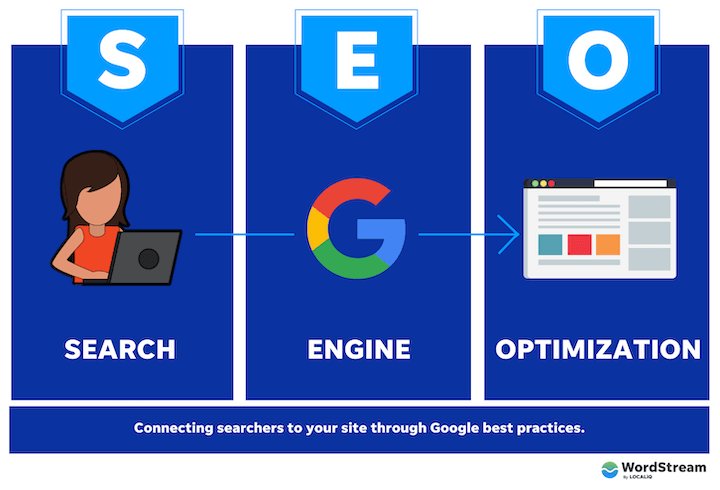
What Does “SEO-Optimised” Mean?
Creating an SEO-optimised website or article means making it easier for search engines to understand, index and present your content to people looking for it. The best approach is not to write for algorithms alone. It is to provide useful, trustworthy information in a format that works well for both readers and search engines.
What is SEO optimisation?
Search engine optimisation (SEO) is the process of improving a website’s visibility in unpaid search results. It can involve the content on a page, the way a site is organised, its technical performance and the reputation it builds across the web.
An SEO-optimised page is relevant to a clear topic, answers the reader’s needs and can be accessed and understood by search engines. Optimisation does not guarantee a particular ranking: search results depend on many factors and can change over time.
Start with the reader’s search
Before writing, consider what someone hopes to find when they enter a particular search query. They might want a straightforward explanation, a comparison, instructions or a product page. The page should match that purpose and deliver the information clearly.
Research relevant search terms, including the words people use to describe the subject. Use them naturally in the page where they help explain what it is about. Repeating a phrase unnecessarily can make content awkward and less helpful.
Write clear, useful content
Strong content gives readers a reason to stay, learn and take their next step. To make an article more useful:
- Answer the main question near the beginning.
- Organise related points into sections with descriptive headings.
- Use plain, specific language and explain unfamiliar terms.
- Include practical details, examples or original insights where appropriate.
- Check facts and keep time-sensitive information up to date.
There is no ideal word count for every topic. Write enough to address the subject properly, but avoid adding filler simply to make a page longer.
Improve on-page elements
On-page elements help people and search engines understand a page. Give each page a distinctive, accurate title and write a concise meta description that summarises its value. These elements may influence how the page appears in search results, though search engines can choose to display different text.
Use one clear main heading, followed by subheadings in a logical order. Write descriptive URLs where possible, and add meaningful alternative text to images that convey information. For decorative images, use empty alternative text so assistive technology can skip them.
Pay attention to technical SEO
Even excellent content can be difficult to find if a website has technical problems. Check that important pages can be crawled and indexed, links work correctly and the site is usable on mobile devices. Fast loading, secure connections and a logical site structure can also contribute to a better experience.
Use internal links to connect related pages. Helpful link text tells readers what they can expect if they follow the link, rather than relying on vague wording such as “click here”.
Build trust and review performance
Make it easy for visitors to understand who publishes your content and how they can contact you. Where relevant, show the author’s experience, cite reliable sources and correct errors. These practices help readers assess the information they are using.
After publishing, monitor performance using suitable analytics and search tools. Look at impressions, clicks, engagement and conversions, then improve pages where the data or reader feedback suggests a problem. SEO is an ongoing process, not a one-off task.
A simple SEO optimisation checklist
- Does the page meet a clear reader need?
- Is the main topic easy to understand from the title and headings?
- Is the information accurate, useful and original?
- Are search terms included naturally rather than repeated excessively?
- Do links, images and page elements work as intended?
- Is the page accessible and comfortable to use on a mobile device?
- Is there a plan to review and update the content?
Top 5 Tips for Creating SEO-Optimised Content
- Use relevant keywords naturally in titles and headings.
- Write clear, useful content for your audience.
- Add descriptive alt text to images.
- Make pages fast and mobile-friendly.
- Use concise URLs and compelling meta descriptions.
Use relevant keywords naturally in titles and headings.
Use relevant keywords naturally in your titles and headings to help readers and search engines understand what each page is about. Choose wording that reflects the topic and matches the language your audience is likely to use, while keeping headings clear and concise. Avoid forcing in keywords where they sound awkward; readability and accuracy should always come first.
Write clear, useful content for your audience.
Write clear, useful content that puts your audience’s needs first. Answer their questions directly, use straightforward language and organise information with helpful headings and examples. Focus on giving readers accurate, relevant value rather than repeating keywords or adding unnecessary detail; content that is genuinely helpful is easier to read, more likely to earn trust and better suited to long-term SEO.
Add descriptive alt text to images.
Add descriptive alt text to images so people using screen readers can understand their purpose and content. Keep it concise and specific, describing the information the image conveys rather than simply listing visual details. For decorative images that add no useful information, use empty alt text so assistive technology can skip them. Alt text can also help search engines interpret images, but it should always be written for accessibility—not stuffed with keywords.
Make pages fast and mobile-friendly.
Make your pages fast and mobile-friendly so visitors can find what they need without delays or difficulty, whether they are browsing on a phone, tablet or computer. Optimise image sizes, reduce unnecessary scripts and use a responsive design that adapts to different screen sizes. A smooth, accessible experience can help keep visitors engaged and makes it easier for search engines to crawl and understand your site.
Use concise URLs and compelling meta descriptions.
Use concise, descriptive URLs so readers and search engines can quickly understand what a page is about. Pair each URL with a compelling meta description that accurately summarises the page and highlights why it is useful. Although meta descriptions do not directly determine rankings, a clear, relevant description can encourage people to click through from search results.