
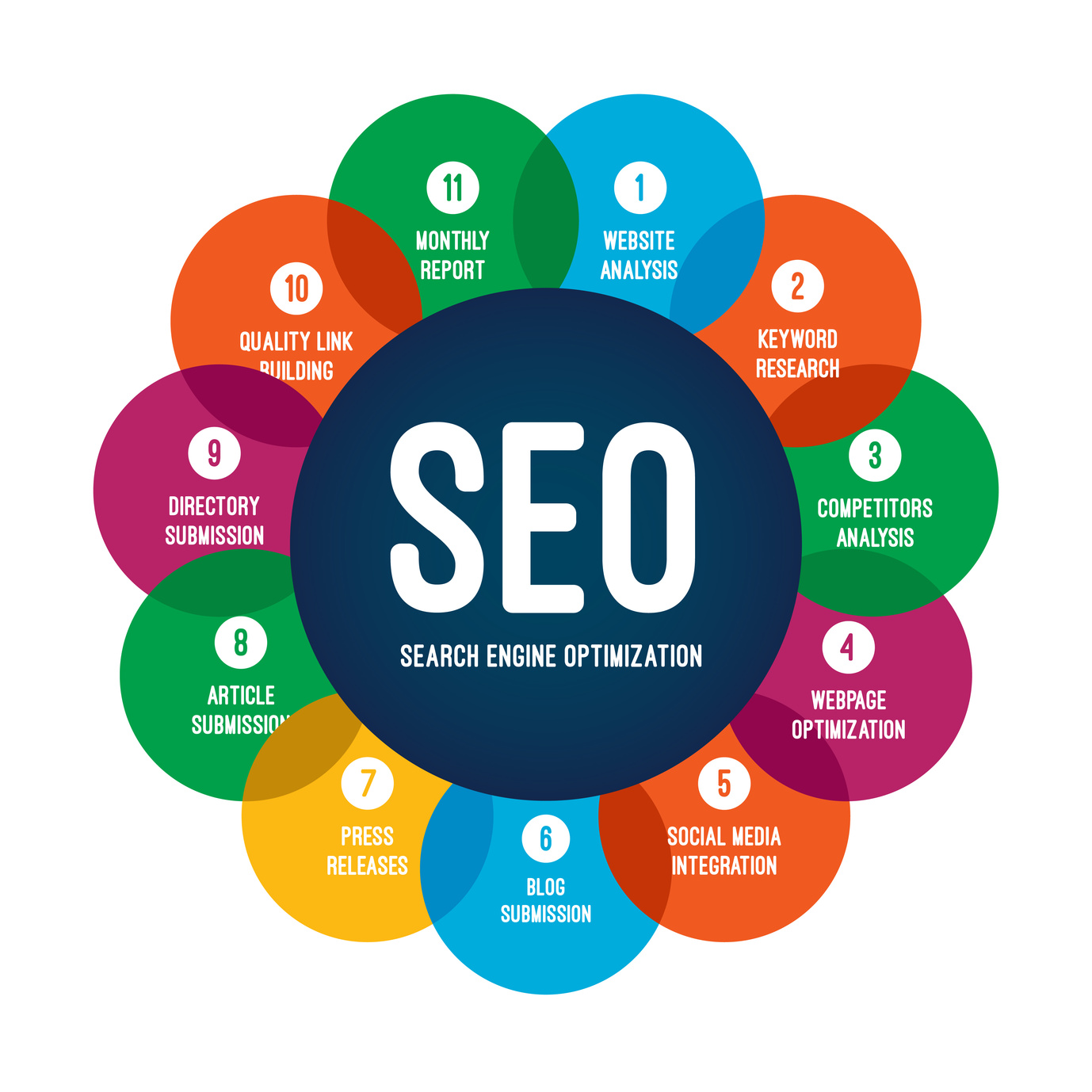
Search Engine Optimization Meaning
Search Engine Optimization, commonly known as SEO, is a fundamental aspect of digital marketing that focuses on enhancing a website’s visibility and ranking on search engine results pages (SERPs). The primary goal of SEO is to drive organic (non-paid) traffic to a website by improving its relevance and authority in the eyes of search engines like Google, Bing, and Yahoo.
SEO involves various strategies and techniques that aim to optimise a website’s content, structure, and performance to align with search engine algorithms. By understanding how search engines work and what criteria they use to rank websites, SEO practitioners can implement tactics to improve a site’s chances of appearing higher in search results for relevant keywords.
Key components of SEO include keyword research, on-page optimisation, off-page optimisation, technical SEO, and user experience enhancements. Keyword research involves identifying the terms and phrases that users are searching for in relation to a business or industry. On-page optimisation focuses on refining individual web pages to make them more search engine-friendly by incorporating relevant keywords, meta tags, headings, and quality content.
Off-page optimisation involves building backlinks from reputable websites to improve a site’s authority and credibility in the eyes of search engines. Technical SEO deals with factors such as website speed, mobile-friendliness, site architecture, and indexing issues that can affect a site’s visibility in search results. User experience enhancements aim to create a seamless browsing experience for visitors by improving site navigation, load times, and overall usability.
By implementing effective SEO strategies, businesses can increase their online visibility, attract targeted traffic, generate leads or sales conversions, and ultimately grow their digital presence. As search engines continue to evolve and refine their algorithms to deliver more relevant results to users, staying abreast of the latest SEO trends and best practices is crucial for maintaining a competitive edge in the online landscape.
Top 5 Essential Tips for Effective Search Engine Optimisation
- 1. Conduct keyword research to identify relevant search terms for your content.
- 2. Optimise your website’s meta tags, headings, and content with target keywords.
- 3. Create high-quality and engaging content that is valuable to your audience.
- 4. Build quality backlinks from reputable websites to improve your site’s authority.
- 5. Regularly monitor and analyse your SEO performance using tools like Google Analytics.
1. Conduct keyword research to identify relevant search terms for your content.
Conducting keyword research is a crucial step in search engine optimization (SEO) as it helps identify the most relevant search terms that users are typing into search engines. By understanding the specific keywords and phrases that are commonly used within your industry or niche, you can tailor your content to align with these terms, increasing the likelihood of your website appearing in search results. Effective keyword research not only improves the visibility of your content but also ensures that it reaches the right audience, driving targeted organic traffic to your website.
2. Optimise your website’s meta tags, headings, and content with target keywords.
To enhance your website’s search engine visibility, it is essential to optimise key elements such as meta tags, headings, and content with relevant target keywords. Meta tags provide search engines with information about a webpage’s content, while headings structure the page and guide both users and search engines on its main topics. By strategically incorporating target keywords into these elements and ensuring that the website’s content is informative and engaging, you can improve its chances of ranking higher in search results for relevant queries. This practice not only signals to search engines the relevance of your site but also enhances user experience by delivering valuable and easily navigable content.
3. Create high-quality and engaging content that is valuable to your audience.
Creating high-quality and engaging content that provides value to your audience is a crucial aspect of effective search engine optimization. By crafting content that is informative, relevant, and tailored to the needs and interests of your target audience, you not only enhance user experience but also increase the likelihood of attracting organic traffic to your website. Search engines like Google reward websites that offer valuable content by ranking them higher in search results, making it essential to prioritise quality over quantity when producing articles, blog posts, videos, or other forms of digital content. By focusing on creating content that resonates with your audience and addresses their queries or concerns, you can establish credibility, build trust, and ultimately drive more traffic and engagement to your site.
4. Build quality backlinks from reputable websites to improve your site’s authority.
Building quality backlinks from reputable websites is a crucial aspect of search engine optimization. By establishing links from trustworthy and relevant sources, you can enhance your site’s authority in the eyes of search engines. These backlinks act as a vote of confidence for your website, indicating to search engines that your content is valuable and worth ranking higher in search results. Quality backlinks not only drive traffic to your site but also contribute significantly to improving its credibility and visibility online.
5. Regularly monitor and analyse your SEO performance using tools like Google Analytics.
Regularly monitoring and analysing your SEO performance using tools like Google Analytics is crucial for understanding the effectiveness of your search engine optimisation efforts. By tracking key metrics such as website traffic, keyword rankings, click-through rates, and user engagement, you can gain valuable insights into what is working well and where improvements are needed. Google Analytics provides in-depth data that can help you make informed decisions to refine your SEO strategy, identify opportunities for growth, and ultimately enhance your online visibility and success.